Menses Symptoms: 15 Powerful Signs Your Body Is Trying to Tell You
Your menstrual cycle can tell you a lot about your body. Changes in your period, mood, energy, appetite, and physical comfort may all be connected to your cycle. Understanding menses symptoms can help you recognize what is normal for you and notice changes that may deserve attention.
Some period symptoms are mild and temporary. Others can affect your daily activities. Cramps, bloating, headaches, breast tenderness, fatigue, and mood changes are common examples.
However, every person can experience menstruation differently. Your symptoms may also change from one cycle to another.
That is why learning about menses symptoms is useful. Instead of immediately worrying about every change, you can learn to understand your body's usual patterns.
Read More: 9 Powerful Reasons for a Healthier Period and Better Menstrual Care
This guide explains common menstrual symptoms, possible reasons behind them, simple ways to manage discomfort, and signs that may require professional medical advice.
What Are Menses Symptoms?
Menses symptoms are physical, emotional, and behavioral changes that happen before or during menstruation.
The term "menses" refers to the monthly menstrual bleeding that occurs as part of the menstrual cycle. Symptoms can begin several days before bleeding starts. They may continue during the first few days of the period.
Common menses symptoms include:
Not everyone experiences all of these symptoms. Some people have very mild symptoms, while others may experience several symptoms at once.
Your own menstrual pattern is an important reference point.
15 Common Menses Symptoms You May Experience
Knowing the most common menses symptoms can make it easier to understand changes in your body.
1. Menstrual Cramps
Cramps are among the most common period symptoms.
They usually happen because the uterus contracts to help shed its lining. These contractions are influenced by natural chemicals called prostaglandins.
Mild cramps can feel like pressure, aching, or tightening in the lower abdomen.
Some people may experience stronger cramping during the first one or two days of their period.
A warm compress, gentle movement, adequate rest, and staying hydrated may help some people feel more comfortable.
However, severe pain that repeatedly interferes with school, work, sleep, or normal activities should not simply be ignored.
2. Lower Back Pain
Lower back discomfort can occur before or during menstruation.
It may happen alongside abdominal cramps. Hormonal changes and uterine contractions can contribute to this discomfort.
Gentle stretching may help relax tense muscles.
A warm shower or heating pad may also provide temporary comfort.
If back pain is unusually severe, persistent, or different from your normal pattern, consider discussing it with a healthcare professional.
3. Bloating
Feeling bloated is another common symptom.
You may notice that your stomach feels fuller or tighter than usual. Your clothes may also feel slightly more uncomfortable.
Hormonal fluctuations can affect fluid balance and digestion around your period.
Bloating does not necessarily mean that you have gained body fat.
Drinking enough water, eating balanced meals, reducing excessive salty foods, and staying physically active may help.
4. Breast Tenderness
Breast tenderness can occur before menstruation.
Hormonal changes during the menstrual cycle can make the breasts feel swollen, heavy, sensitive, or uncomfortable.
The sensation often improves after menstruation begins or progresses.
Wearing a supportive bra and avoiding unnecessary pressure may make daily activities more comfortable.
If you notice a new lump, unusual discharge, skin changes, or persistent breast changes, seek appropriate medical evaluation.
5. Headaches
Headaches can also be part of your menstrual experience.
Changes in hormone levels around the start of menstruation may contribute to headaches in some people.
A headache may feel mild or intense. Some people may also experience migraine symptoms.
Getting enough sleep, maintaining regular meals, drinking enough fluids, and identifying personal triggers may help.
If headaches become severe, frequent, or suddenly different from your usual pattern, professional advice is important.
6. Fatigue and Low Energy
Feeling tired around your period is common.
Hormonal changes, poor sleep, discomfort, stress, and menstrual blood loss may all contribute to low energy.
You may notice that normal activities feel more tiring than usual.
Try to prioritize sleep and regular meals.
Foods containing iron, protein, complex carbohydrates, and other nutrients can support a balanced diet.
If extreme fatigue continues beyond your period or becomes increasingly difficult to manage, talk with a healthcare professional.
7. Mood Changes
Your emotions may change before or during menstruation.
You may feel more sensitive, irritable, emotional, anxious, or easily frustrated.
These changes can be related to hormonal fluctuations and other factors such as stress and poor sleep.
Mild mood changes can be part of the menstrual cycle.
However, intense emotional symptoms that significantly affect relationships, work, school, or daily life deserve attention.
8. Food Cravings
Craving certain foods is another experience some people notice before their period.
You may suddenly want sweet, salty, or carbohydrate-rich foods.
Changes in appetite can be influenced by hormonal changes, energy needs, mood, sleep, and routine.
Instead of feeling guilty about cravings, try to maintain balanced meals throughout the day.
Including protein, fiber, healthy fats, fruits, vegetables, and whole grains can help you stay satisfied.
9. Acne and Skin Changes
Some people notice more pimples before or during menstruation.
Hormonal fluctuations can influence oil production in the skin.
As a result, acne may become more noticeable around certain points of the cycle.
A gentle skincare routine can help.
Avoid excessively scrubbing your skin or repeatedly touching breakouts.
If acne is severe, painful, or persistent, a dermatologist can help identify suitable treatment options.
10. Digestive Changes
Your digestive system can also respond to menstrual changes.
Some people experience diarrhea, constipation, gas, or changes in bowel habits around their period.
Hormones and prostaglandins can influence the digestive tract.
These symptoms are often temporary.
Drinking enough water and eating fiber-rich foods can support healthy digestion. Gentle physical activity may also help.
If digestive symptoms are severe or continue outside your menstrual period, consider seeking medical advice.
11. Nausea
Nausea may occur during menstruation, especially when cramps are intense.
For some people, nausea may happen alongside headaches or other symptoms.
Eating smaller meals, drinking fluids, and getting enough rest may help.
If nausea is persistent, severe, or accompanied by repeated vomiting, medical evaluation may be appropriate.
12. Muscle Aches
Some people experience general body aches around their period.
The discomfort may affect the lower back, legs, hips, or other areas.
This can occur alongside menstrual cramps.
Gentle stretching, light activity, sufficient sleep, and warmth may help reduce discomfort.
Listen to your body. If movement makes your pain worse, rest and consider getting professional advice.
13. Sleep Changes
Your menstrual cycle may affect your sleep.
Some people feel sleepier before their period. Others have trouble falling asleep or staying asleep.
Cramps, mood changes, headaches, and changes in body temperature may contribute.
Try keeping a consistent sleep schedule.
Limit excessive caffeine late in the day and create a comfortable bedtime routine.
If sleep problems are severe or happen throughout the month, consider discussing them with a healthcare professional.
14. Increased Irritability
You may notice that small things feel more frustrating before your period.
Increased irritability can be related to hormonal changes, stress, fatigue, and poor sleep.
Recognizing this pattern can help you respond to it more calmly.
Taking breaks, getting enough rest, practicing relaxation techniques, and communicating your needs may help.
15. Changes in Vaginal Discharge
Vaginal discharge naturally changes throughout the menstrual cycle.
Its amount, texture, and appearance can vary as hormone levels change.
Some discharge changes are normal.
However, discharge with a strong unpleasant odor, unusual color, itching, burning, pelvic pain, or other concerning symptoms may indicate an infection or another condition.
If these changes occur, it is best to seek medical advice rather than assuming they are normal menses symptoms.
You May Also Like: Seeing Blood Clots During Menses? Here’s What It Could Mean
Why Do Menses Symptoms Happen?
The menstrual cycle involves changes in several hormones.
Estrogen and progesterone are two important hormones involved in the cycle. Their levels naturally rise and fall throughout the month.
These hormonal changes can affect different parts of the body.
For example, they may influence:
-
The uterus
-
Brain chemistry
-
Digestion
-
Fluid balance
-
Appetite
-
Sleep
-
Skin
-
Breasts
-
Mood
This is one reason why menses symptoms can feel different from person to person.
Your symptoms may also change depending on your age, stress level, sleep habits, diet, physical activity, and overall health.
Menses Symptoms Before Your Period
Some symptoms begin before bleeding starts.
This period is often associated with premenstrual syndrome, commonly known as PMS.
PMS may involve physical and emotional symptoms.
You may notice:
Symptoms may appear several days before menstruation and improve after your period starts.
Keeping track of your cycle can help you identify whether your symptoms follow a consistent pattern.
Menses Symptoms During Your Period
Once menstrual bleeding begins, some symptoms may become more noticeable.
Cramps are particularly common during the first few days.
Other possible symptoms include fatigue, headaches, back pain, digestive changes, and mood changes.
The intensity of these symptoms can vary.
Some cycles may feel easy. Others may feel more uncomfortable.
That variation does not automatically mean something is wrong.
What matters is whether the symptoms are manageable and whether they follow your usual pattern.
What Is Considered Normal?
There is no single "perfect" menstrual experience.
Some people have almost no symptoms. Others experience several mild symptoms every month.
A symptom is generally less concerning when it is:
-
Mild or moderate
-
Temporary
-
Similar to your usual pattern
-
Manageable with simple self-care
-
Not preventing normal daily activities
Your normal may be different from someone else's normal.
Instead of comparing your period to a friend or social media post, pay attention to changes in your own cycle.
When Menses Symptoms May Need Medical Attention
Not every menstrual symptom should be dismissed as normal.
Consider speaking with a healthcare professional if your symptoms are severe, persistent, worsening, or interfering with your daily life.
Pay attention to symptoms such as:
-
Very severe menstrual pain
-
Pain that prevents normal activities
-
Extremely heavy bleeding
-
Bleeding that lasts unusually long
-
Bleeding between periods
-
Bleeding after sexual activity
-
Periods that suddenly become very irregular
-
Fainting or severe weakness
-
Persistent pelvic pain
-
Severe headaches that are unusual for you
-
Severe mood changes
-
Symptoms that continue well beyond menstruation
These signs do not necessarily mean you have a serious condition.
They simply deserve proper evaluation.
What Can Help Relieve Common Menses Symptoms?
There are several simple habits that may help you feel more comfortable during your period.
Stay Hydrated
Drinking enough water supports normal body functions.
It may also help you feel better when dealing with bloating or fatigue.
Keep water nearby throughout the day.
Get Enough Sleep
Sleep is important for energy, mood, and overall well-being.
Try to maintain a consistent sleep schedule, especially when your period is approaching.
Stay Physically Active
Gentle activity can be helpful for some people.
Walking, stretching, yoga, or other comfortable exercises may support relaxation and reduce feelings of stiffness.
You do not need to force intense exercise when your body needs rest.
Use Warmth
A warm bath or heating pad may help relax tense muscles.
For many people, warmth can provide temporary relief from abdominal or lower back discomfort.
🌷 Looking for Herbal Support During Your Period?
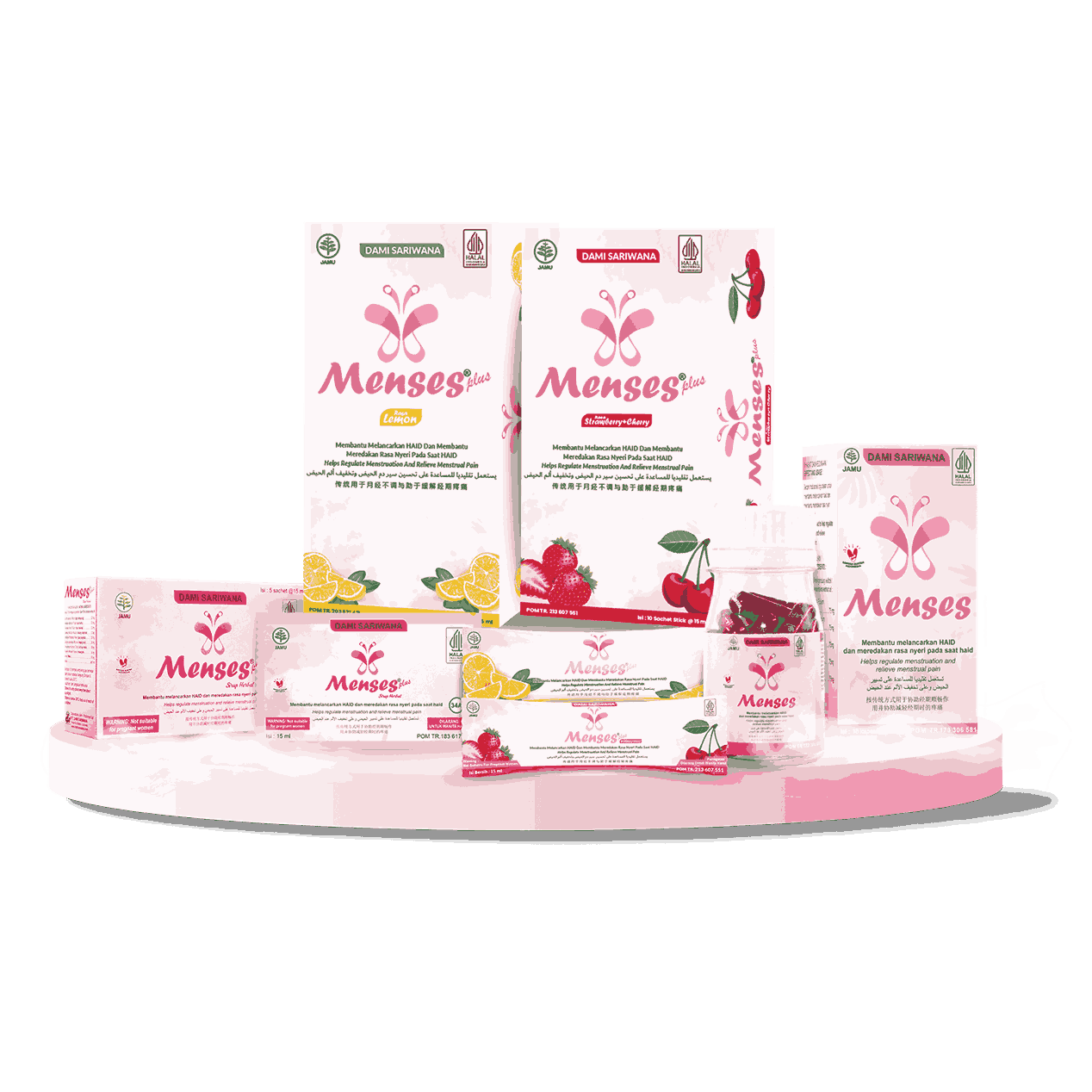
If you are looking for a herbal option to support a more comfortable menstrual experience, Menses Herbal Menstrual Support can be an option to consider. Menses is formulated as a traditional herbal product to help support smoother menstruation and relieve menstrual discomfort naturally.
It can be a convenient option to keep as part of your menstrual self-care routine, especially when you want to stay comfortable while continuing your daily activities.
🌷 Buy it here now, girl: Menses Official Store
Eat Balanced Meals
Your body needs nutrients throughout the menstrual cycle.
Try to include a variety of foods.
Protein, vegetables, fruits, whole grains, and healthy fats can form the foundation of balanced meals.
Foods containing iron may also be important, particularly for people who experience heavy menstrual bleeding.
Track Your Cycle
Cycle tracking can be surprisingly useful.
Record:
After several cycles, you may see a pattern.
This information can also be useful when discussing concerns with a healthcare professional.
Menses Symptoms and Your Daily Routine
Periods do not have to completely stop your normal activities.
Small adjustments can make the experience easier.
For example, prepare menstrual products before your period begins.
Keep a spare product in your bag.
Choose comfortable clothing if bloating or cramps make tight clothes uncomfortable.
Plan enough time for sleep.
If you know that your symptoms tend to be stronger during certain days, give yourself room to rest when possible.
Understanding your menses symptoms can help you plan instead of being surprised by them.
Can Stress Affect Menses Symptoms?
Stress can affect how you feel during your menstrual cycle.
When you are under pressure, you may sleep less, eat differently, exercise less, or experience more emotional tension.
These factors can make menstrual symptoms feel harder to manage.
Stress may also affect the menstrual cycle itself in some people.
If you notice that your symptoms become stronger during stressful periods, consider looking at your overall routine.
Simple habits such as regular sleep, movement, relaxation, and balanced meals may support your well-being.
Can Your Diet Affect Menses Symptoms?
Your diet can influence your overall energy and well-being during menstruation.
There is no single food that eliminates every period symptom.
However, a balanced eating pattern can help support your body.
Consider including:
Some people also find it helpful to reduce excessive caffeine, alcohol, or very salty foods around their period.
Your response may be different from someone else's.
The goal is not a restrictive diet. The goal is balanced nutrition.
How to Track Your Menses Symptoms
A simple cycle journal can help you understand your body.
Start by recording the first day of your period.
Then record symptoms each day.
You can use a notebook, calendar, or menstrual tracking app.
For each day, consider giving your symptoms a simple rating from 0 to 3.
For example:
0: No symptoms
1: Mild
2: Moderate
3: Severe
After several cycles, look for patterns.
Do headaches always appear before bleeding?
Do cramps become worse on day one?
Does bloating disappear after your period begins?
Does your mood change during the same part of your cycle?
These patterns can make menses symptoms easier to understand.
Menses Symptoms That Should Not Be Ignored
It can be tempting to assume that severe menstrual discomfort is simply something you have to tolerate.
That is not always the case.
If pain consistently prevents you from attending school, working, sleeping, exercising, or doing normal activities, speak with a healthcare professional.
Very heavy bleeding also deserves attention.
For example, needing to change menstrual products unusually often or feeling weak or dizzy because of blood loss should not be dismissed.
Some menstrual conditions can cause significant symptoms.
A healthcare professional can help determine whether further evaluation is necessary.
Menses Symptoms and PMS
PMS and menstruation are closely related but not exactly the same thing.
PMS refers to symptoms that happen before the menstrual period.
These symptoms may include mood changes, bloating, breast tenderness, food cravings, fatigue, and headaches.
Menstrual symptoms occur during the bleeding phase.
There can be overlap between the two.
Keeping a symptom diary can help identify when your symptoms appear.
Menses Symptoms and PMDD
Some people experience a more severe form of premenstrual symptoms called premenstrual dysphoric disorder, or PMDD.
PMDD can cause intense emotional and physical symptoms.
Mood symptoms may include severe irritability, sadness, anxiety, or emotional changes.
The symptoms can significantly interfere with daily life.
If you experience intense emotional symptoms that repeatedly appear before your period and improve after menstruation begins, speak with a healthcare professional.
You do not need to manage severe symptoms alone.
Why Every Cycle May Feel Different
It is normal for symptoms to vary.
One month, you may have mild cramps.
The next month, you may feel more tired or bloated.
Several factors can contribute to these differences.
These may include:
A single unusual cycle does not always indicate a problem.
However, repeated or significant changes are worth discussing with a healthcare professional.
A Simple Self-Care Routine for Your Period
You can create a simple routine to support comfort.
Before Your Period
Prepare menstrual products.
Get enough sleep.
Drink enough water.
Keep easy, balanced meals available.
Notice any early symptoms.
During Your Period
Use warmth if it feels comfortable.
Stay hydrated.
Eat regular meals.
Choose gentle movement when you feel able.
Allow yourself enough rest.
Track symptoms that feel unusual.
After Your Period
Notice whether symptoms improve.
Record anything unusual.
Compare the cycle with previous months.
This routine can help you become more familiar with your body's signals.
When Should You Talk to a Doctor?
Consider professional advice when menstrual changes are affecting your quality of life.
You should also seek medical evaluation if you experience severe or unusual symptoms.
A healthcare professional may ask about:
-
Your menstrual cycle
-
Bleeding duration
-
Bleeding intensity
-
Pain severity
-
Other physical symptoms
-
Emotional symptoms
-
Medications
-
Medical history
-
Changes over time
You can make the appointment easier by bringing your cycle notes.
Clear information about your menses symptoms can help your healthcare professional understand your situation.
Understanding Your Body Is a Form of Self-Care
Your menstrual cycle is not something you need to fear.
It is a natural biological process.
Learning about menses symptoms can help you become more aware of your body.
You can recognize common changes without immediately assuming something is wrong.
At the same time, you can identify symptoms that are unusual for you.
The key is balance.
Do not panic over every small change.
But do not ignore symptoms that are severe, persistent, or disruptive.
Your body deserves attention.
Final Thoughts
Understanding menses symptoms can make your menstrual cycle easier to manage.
Cramps, bloating, breast tenderness, headaches, fatigue, mood changes, food cravings, acne, and digestive changes can all occur around menstruation.
Many symptoms are temporary and manageable.
Healthy habits such as getting enough sleep, staying hydrated, eating balanced meals, staying gently active, and tracking your cycle may help you feel more prepared.
Most importantly, learn your personal pattern.
A symptom that is normal for one person may not be normal for another.
If your symptoms suddenly change, become severe, or interfere with your daily life, consider speaking with a healthcare professional.
Your period can provide useful clues about your overall well-being. Paying attention to those clues is a simple but valuable form of self-care.
Frequently Asked Questions About Menses Symptoms
What are the most common menses symptoms?
Common symptoms include cramps, bloating, back pain, breast tenderness, headaches, fatigue, mood changes, food cravings, acne, and digestive changes.
Not everyone experiences the same combination of symptoms.
How many days before a period can symptoms start?
Some people notice symptoms several days before menstruation begins. PMS symptoms may occur during the days leading up to a period and often improve after bleeding starts.
The timing can vary between individuals and cycles.
Are menses symptoms different for every woman?
Yes. Menstrual experiences can vary significantly.
Some people have very mild symptoms, while others experience multiple symptoms.
Your own cycle pattern is more useful to track than comparing yourself with others.
Are cramps normal during menstruation?
Mild to moderate cramps are common.
They can happen because the uterus contracts during menstruation.
However, severe pain that repeatedly disrupts daily life should be discussed with a healthcare professional.
Why do I feel tired during my period?
Fatigue may be related to hormonal changes, menstrual blood loss, discomfort, stress, or poor sleep.
If fatigue is extreme, persistent, or occurs outside your period, consider seeking medical advice.
Can menses symptoms change every month?
Yes. Symptoms can change from one cycle to another.
Stress, sleep, diet, activity levels, hormonal fluctuations, and other factors can influence how you feel.
How can I track menses symptoms?
Record the first day of bleeding and note symptoms each day.
You can track pain, mood, energy, headaches, bloating, bleeding intensity, and other changes.
After several cycles, you may notice useful patterns.
When are menses symptoms considered abnormal?
Symptoms may deserve medical attention when they are severe, persistent, suddenly different, or interfere with normal activities.
Very heavy bleeding, severe pain, fainting, persistent pelvic pain, or significant emotional symptoms should not be ignored.
Can stress make period symptoms worse?
Stress may affect sleep, appetite, mood, and your overall experience of menstruation.
Some people notice that their symptoms feel more difficult to manage during stressful periods.
Should I see a doctor for severe period pain?
Yes. If menstrual pain repeatedly prevents you from working, studying, sleeping, exercising, or completing normal activities, it is worth discussing with a healthcare professional.
Severe pain is not something you always have to simply tolerate.
Can food help with menses symptoms?
A balanced diet can support overall health and energy during menstruation.
Try to eat regular meals containing protein, vegetables, fruits, whole grains, and healthy fats.
Adequate hydration is also important.
What is the best way to understand my menstrual symptoms?
Track your symptoms for several cycles.
Look for changes in timing, severity, and duration.
This can help you understand what is typical for your body and identify changes that may need professional attention.
Remember: Your menstrual cycle is personal. Understanding your menses symptoms can help you recognize normal changes, prepare for uncomfortable days, and know when to seek appropriate care.
References
-
American College of Obstetricians and Gynecologists (ACOG). Dysmenorrhea: Painful Periods.
https://www.acog.org/womens-health/faqs/dysmenorrhea-painful-periods
-
American College of Obstetricians and Gynecologists (ACOG). Premenstrual Syndrome (PMS).
https://www.acog.org/womens-health/faqs/Premenstrual-Syndrome
-
American College of Obstetricians and Gynecologists (ACOG). Amenorrhea: Absence of Periods.
https://www.acog.org/womens-health/faqs/amenorrhea-absence-of-periods
-
Mayo Clinic. Premenstrual Syndrome (PMS): Symptoms and Causes.
https://www.mayoclinic.org/diseases-conditions/premenstrual-syndrome/symptoms-causes/syc-20376780
-
Mayo Clinic. Premenstrual Syndrome (PMS): Diagnosis and Treatment.
https://www.mayoclinic.org/diseases-conditions/premenstrual-syndrome/diagnosis-treatment/drc-20376787
-
NHS. PMS (Premenstrual Syndrome).
https://www.nhs.uk/conditions/pre-menstrual-syndrome/
-
NHS. Period Pain.
https://www.nhs.uk/symptoms/period-pain/
-
NHS. Period Problems.
https://www.nhs.uk/conditions/periods/period-problems/
-
Cleveland Clinic. Premenstrual Syndrome (PMS): Symptoms & Treatment.
https://my.clevelandclinic.org/health/diseases/24288-pms-premenstrual-syndrome
Get Menses from Official Stores
To ensure product authenticity, you can purchase Menses via:
Shopping at official stores ensures security and product authenticity, and makes it easy to access the latest information and promotions.