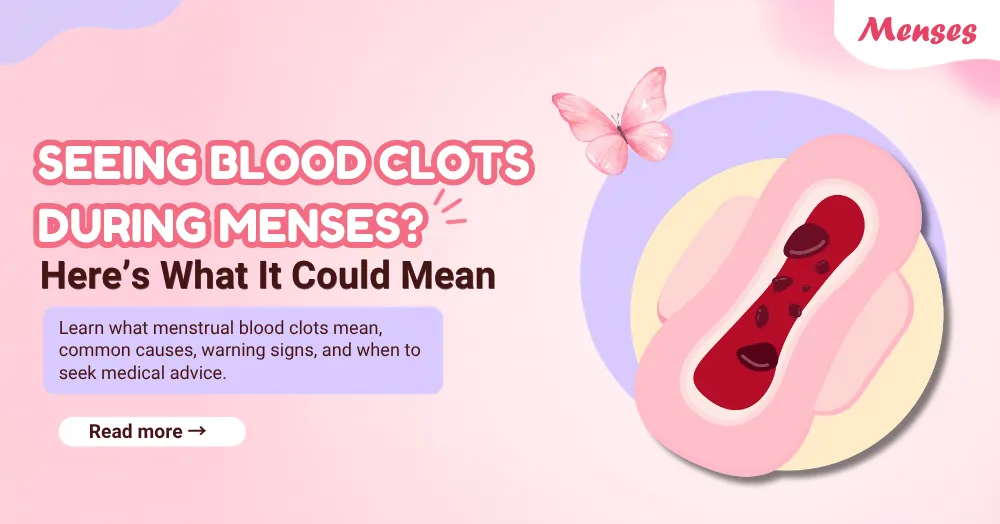
Seeing Blood Clots During Menses? Here’s What It Could Mean
Seeing blood clots during menses can be surprising. They may look dark red, brown, soft, or jelly-like.
In many cases, small clots are normal, especially on heavier-flow days. They can form when menstrual blood collects for a short time before leaving the uterus.
However, large clots, very heavy bleeding, severe pain, or sudden changes in your period should not be ignored.
Read More: 9 Powerful Reasons for a Healthier Period and Better Menstrual Care
What Are Blood Clots During Menses?
Menstrual blood contains blood, fluid, and tissue from the uterine lining.
When menstrual flow is heavy, blood may leave the uterus before the body has enough time to keep it completely fluid. This can cause visible clots.
Menstrual clots may look:
Dark blood does not automatically mean something is wrong. It may simply be older blood that took longer to leave the body.
Are Blood Clots During Menses Normal?
Small, occasional clots can be normal.
They are often seen during the first few days of menstruation when bleeding is heavier.
Clots are usually less concerning when:
-
they are small,
-
appear only occasionally,
-
happen during heavy-flow days,
-
there is no severe pain,
-
and your period is otherwise similar to your usual pattern.
A sudden increase in clot size or bleeding is more important to watch.
7 Possible Causes of Blood Clots During Menses
1. Heavy Menstrual Flow
Heavy bleeding can cause blood to collect and clot before leaving the uterus.
2. Hormonal Changes
Changes in estrogen and progesterone can affect the uterine lining and make periods heavier.
3. Uterine Fibroids
Fibroids are non-cancerous growths that may cause heavier or longer periods and more noticeable clots.
4. Uterine Polyps
Polyps can sometimes cause heavy bleeding, spotting, or bleeding between periods.
5. Adenomyosis
Adenomyosis can cause heavy periods, painful cramps, pelvic pressure, and menstrual clots.
6. Endometriosis
Endometriosis may cause severe period pain and changes in menstrual bleeding. Clots alone cannot diagnose this condition.
7. Pregnancy-Related Bleeding
If pregnancy is possible, unusual bleeding or clots should not automatically be treated as a normal period.
Seek urgent care if bleeding during possible pregnancy comes with severe pain, fainting, or significant dizziness.
How Big Is Too Big?
There is no single clot size that proves there is a health problem.
However, clots larger than about 2.5 cm or 1 inch may be worth discussing with a healthcare professional, especially if they happen often.
One larger clot may not mean the same thing as repeatedly passing large clots every period.
When Should You Be Concerned?
Talk with a healthcare professional if you regularly experience:
-
large or frequent clots,
-
very heavy bleeding,
-
periods that last much longer than usual,
-
severe menstrual pain,
-
bleeding between periods,
-
bleeding after sex,
-
worsening pelvic pain,
-
dizziness,
-
unusual weakness,
-
shortness of breath,
-
or a sudden change in your normal cycle.
These symptoms do not always mean something serious, but they may need further evaluation.
Can Heavy Periods Cause Anemia?
Yes. Heavy menstrual bleeding can cause the body to lose too much iron over time.
Possible signs of iron deficiency or anemia include:
If you have heavy periods and these symptoms, talk with a healthcare professional.
Can Stress Cause Menstrual Clots?
Stress can affect menstrual hormones and change the timing or amount of bleeding.
However, repeated large blood clots during menses should not automatically be blamed on stress.
Persistent changes may have another cause.
Can Birth Control Affect Menstrual Clots?
Yes.
Hormonal birth control may make periods lighter for some people, while temporary spotting or changes can happen when starting or stopping a method.
A copper IUD may cause heavier periods in some people.
If new or frequent clots appear after changing contraception, talk with a healthcare professional.
How to Track Menstrual Clots
Keep simple notes about:
-
the first and last day of your period,
-
how heavy the flow is,
-
how often you change pads or tampons,
-
clot size,
-
number of days with clots,
-
pain level,
-
dizziness or tiredness,
-
and bleeding between periods.
Tracking your cycle helps you notice changes and gives useful information if you need medical advice.
How to Feel More Comfortable During Your Period
Simple habits may help:
Self-care can support comfort, but it should not replace medical care when bleeding is unusually heavy.
Looking for Extra Support During Your Period?
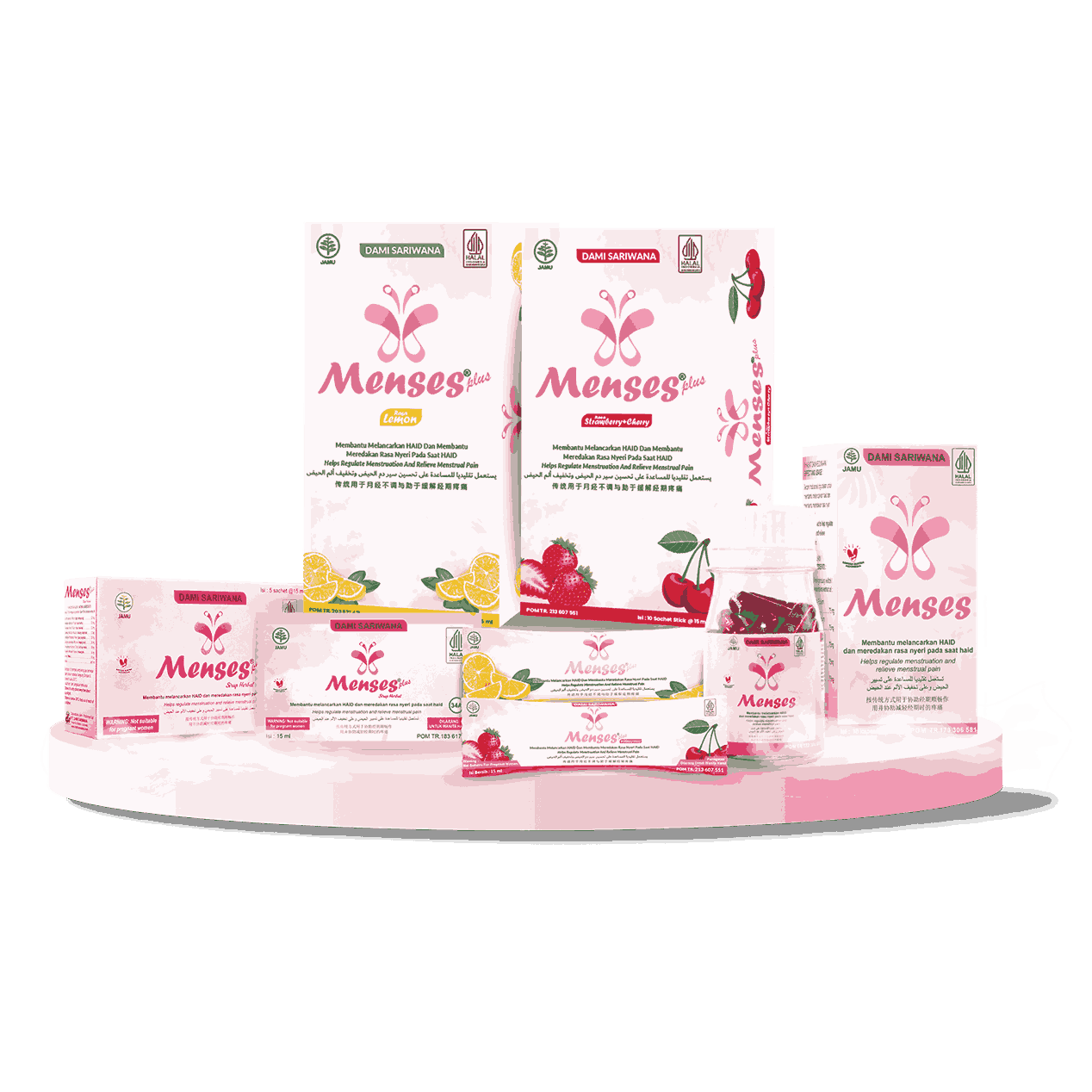
For women looking for herbal support, Menses Herbal Menstrual Relief may be considered as part of a menstrual comfort routine.
Always follow the product directions. Herbal products are not a substitute for medical evaluation if you have very heavy bleeding, severe pain, or frequent large clots.
🌷 Buy Menses here now, girl!
When to Seek Urgent Medical Help
Seek urgent medical care if heavy bleeding comes with:
If pregnancy is possible, heavy bleeding with severe pain or fainting also needs urgent evaluation.
Final Takeaway
Blood clots during menses can be normal, especially when they are small and appear during heavy-flow days.
What matters most is the overall pattern.
Pay attention to clot size, how often they appear, how heavy your bleeding is, and whether you have pain, dizziness, or other symptoms.
If your periods suddenly become much heavier or you repeatedly pass large clots, talk with a healthcare professional.
Frequently Asked Questions
Are blood clots during menses normal?
Small clots can be normal, especially during heavier days.
Why do menstrual clots happen?
They can form when blood collects and becomes thicker before leaving the uterus.
What size clot is concerning?
Clots larger than about 2.5 cm or 1 inch may be worth discussing with a healthcare professional, especially if frequent.
Are dark menstrual clots normal?
They can be. Older blood often looks darker.
Can fibroids cause menstrual clots?
Yes. Fibroids can make periods heavier and increase visible clots.
Can stress cause menstrual clots?
Stress can change menstrual flow, but repeated large clots should not automatically be blamed on stress.
Can heavy periods cause anemia?
Yes. Frequent heavy bleeding may lead to iron deficiency or anemia.
When should I see a doctor?
Seek advice if clots are large or frequent, bleeding is very heavy, pain is severe, or you feel unusually weak or dizzy.
References
-
Cleveland Clinic. (2024). Period Blood Clots: Should You Be Concerned?
https://health.clevelandclinic.org/period-blood-clots-are-they-normal
-
Mayo Clinic. (2023). Blood Clots During Menstruation: A Concern?
https://www.mayoclinic.org/diseases-conditions/menorrhagia/expert-answers/blood-clots-during-menstruation/faq-20058401
-
NHS. Heavy Periods.
https://www.nhs.uk/conditions/heavy-periods/
-
Mayo Clinic. Heavy Menstrual Bleeding – Symptoms and Causes.
https://www.mayoclinic.org/diseases-conditions/menorrhagia/symptoms-causes/syc-20352829
-
NHS. Adenomyosis.
https://www.nhs.uk/conditions/adenomyosis/
-
NHS. Period Pain.
https://www.nhs.uk/symptoms/period-pain/
-
Cleveland Clinic. Period Blood Color: What It Means.
https://health.clevelandclinic.org/what-does-the-color-of-your-period-mean
-
Cleveland Clinic. Menstrual Cycle (Normal Menstruation): Overview & Phases.
https://my.clevelandclinic.org/health/articles/10132-menstrual-cycle
-
Cleveland Clinic. Irregular Periods (Abnormal Menstruation): Causes & Treatment.
https://my.clevelandclinic.org/health/diseases/14633-abnormal-menstruation-periods
Get Menses from Official Stores
To ensure product authenticity, you can purchase Menses via:
Shopping at official stores ensures security and product authenticity, and makes it easy to access the latest information and promotions.