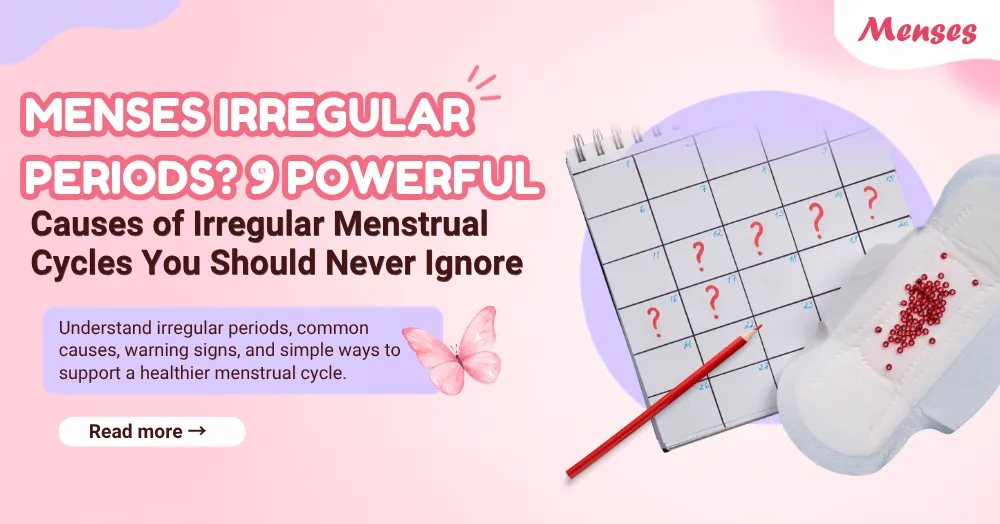
Menses Irregular Periods? 9 Powerful Causes of Irregular Menstrual Cycles You Should Never Ignore
Menses Irregular Periods can be frustrating, especially when your menstrual cycle suddenly becomes unpredictable. One month, your period may arrive early. The next month, it may come several days late. Sometimes, you may even skip a period completely.
An irregular menstrual cycle does not always mean something is seriously wrong. Your cycle can change because of stress, changes in weight, intense exercise, hormonal fluctuations, certain medications, or other health factors.
However, repeated changes should not be ignored. Understanding the possible causes can help you recognize patterns and know when it may be time to speak with a healthcare professional.
Read More: 9 Powerful Reasons for a Healthier Period and Better Menstrual Care
In this guide, we will explore 9 common causes of Menses Irregular Periods, the signs to watch for, everyday factors that may affect your cycle, and practical ways to support menstrual health.
What Are Menses Irregular Periods?
Menses Irregular Periods refers to menstrual cycles that do not follow a consistent pattern. Your period may come earlier or later than expected, last for a different number of days, or vary in flow from one cycle to another.
A menstrual cycle is counted from the first day of one period to the first day of the next. Cycle length can naturally vary between people. It can also change at different stages of life.
An occasional change is usually not a reason to panic. Your body is not a machine, and your menstrual cycle can respond to physical and emotional changes.
The bigger concern is when irregularity becomes frequent, persistent, or is accompanied by other symptoms.
What Can an Irregular Period Look Like?
Menses Irregular Periods may appear in several ways.
You might notice:
- Your period arrives much earlier than expected.
- Your period is consistently late.
- You skip one or more periods.
- Your cycle length changes significantly from month to month.
- Your bleeding becomes unusually light or heavy.
- Your period lasts longer or shorter than usual.
- Spotting occurs between periods.
- Your menstrual pattern suddenly changes after being regular.
Keeping track of your period can make these patterns easier to recognize.
A simple menstrual calendar or tracking app can help you record the first day of bleeding, duration, flow, symptoms, and other changes.
You May Also Like: What Is the True Meaning of Menstruation, and Why Is It Important for Women's Health?
9 Common Causes of Menses Irregular Periods
There are many possible reasons for an irregular menstrual cycle. Some are temporary and may improve when the underlying factor changes.
Others may require professional evaluation.
Here are nine common causes worth knowing.
1. Hormonal Changes
Hormones play a major role in regulating your menstrual cycle.
Estrogen and progesterone help control the development of the uterine lining and the timing of menstruation. Other hormones are also involved in ovulation and reproductive function.
When hormone levels fluctuate, your period may become irregular.
This can happen during puberty, after pregnancy, while breastfeeding, during the years approaching menopause, or during other periods of hormonal transition.
Hormonal changes may also contribute to symptoms such as acne, mood changes, breast tenderness, or changes in menstrual flow.
If you are experiencing Menses Irregular Periods together with several new symptoms, consider discussing them with a healthcare professional.
2. Stress and Emotional Pressure
Stress is another common factor associated with Menses Irregular Periods.
When you experience prolonged physical or emotional stress, your body may respond by changing the hormonal signals involved in ovulation.
As a result, your period may arrive later than expected or become less predictable.
Daily stress can come from many sources.
Work pressure, relationship difficulties, lack of sleep, major life changes, financial concerns, and emotional exhaustion can all affect how you feel physically.
Reducing stress does not guarantee an immediately regular cycle. However, healthy stress-management habits can support overall well-being.
Try simple activities such as:
- Taking short breaks during busy days.
- Practicing slow breathing.
- Getting enough sleep.
- Spending time outdoors.
- Doing gentle physical activity.
- Maintaining social connections.
- Making time for activities you enjoy.
Your menstrual cycle is only one part of your overall health, so taking care of your mental and physical well-being matters.
3. Significant Weight Changes
Rapid weight loss or weight gain may affect your menstrual cycle.
Your body needs adequate energy and nutrients to support normal reproductive function. Significant changes in body weight or energy availability can influence hormone production and ovulation.
This may contribute to Menses Irregular Periods.
Very restrictive diets can also make it difficult for your body to receive enough energy and nutrients.
Rather than focusing on extreme dieting, aim for balanced meals that provide protein, carbohydrates, healthy fats, vitamins, minerals, and enough overall energy.
If your period becomes irregular after a major change in weight, it is worth paying attention to the timing and discussing persistent changes with a healthcare professional.
4. Excessive Exercise
Regular physical activity can be beneficial for your health. However, very intense training combined with insufficient food intake or inadequate recovery may affect menstrual function.
This is especially relevant for people involved in endurance sports, competitive athletics, or demanding training programs.
When your body does not receive enough energy to meet its needs, reproductive hormone signals can be affected.
The result can include delayed or missed periods.
If you exercise frequently, make sure you are also allowing your body to recover.
Adequate nutrition, hydration, rest, and sleep are important parts of a healthy training routine.
5. Polycystic Ovary Syndrome
Polycystic ovary syndrome, commonly called PCOS, is a hormonal condition that can affect menstrual cycles.
People with PCOS may experience irregular periods because ovulation may not happen regularly.
Other possible signs can include acne, increased facial or body hair, difficulty with weight management, or hair thinning. However, symptoms vary considerably from person to person.
Menses Irregular Periods can sometimes be one of the first signs that encourages someone to seek evaluation.
Having irregular periods does not automatically mean you have PCOS.
A healthcare professional may consider your symptoms, medical history, physical examination, and appropriate tests before making a diagnosis.
6. Thyroid Problems
Your thyroid produces hormones that influence many functions throughout the body.
Thyroid disorders can affect menstrual regularity because thyroid hormones interact with reproductive hormones.
Both an underactive thyroid and an overactive thyroid can be associated with menstrual changes.
Depending on the condition, you may also notice symptoms such as changes in energy, unexplained weight changes, temperature sensitivity, changes in heart rate, or changes in hair and skin.
If you have persistent Menses Irregular Periods along with other unexplained symptoms, thyroid function may be something a healthcare professional considers during an evaluation.
7. Certain Medications
Some medications can influence your menstrual cycle.
The effect depends on the medication, dose, individual response, and reason for taking it.
Hormonal birth control can also change bleeding patterns. Some methods may make periods lighter, less frequent, or absent, while others may cause spotting or changes in bleeding.
These changes are not necessarily harmful, but unexpected or concerning symptoms should be discussed with a healthcare professional.
Do not stop prescribed medication simply because your period changes.
Instead, ask your doctor or pharmacist whether your medication could be contributing to the change.
8. Perimenopause
For some women, menstrual cycles become less predictable during perimenopause, the transition toward menopause.
During this stage, hormone levels can fluctuate.
Periods may become closer together, farther apart, heavier, lighter, or occasionally skipped.
Other symptoms may include hot flashes, sleep changes, mood changes, or vaginal dryness.
Perimenopause commonly occurs in midlife, but the timing varies.
If you are experiencing new Menses Irregular Periods during this stage, keeping a detailed record of your cycle and symptoms can help during a healthcare appointment.
9. Pregnancy
Pregnancy is another important possibility when a period is unexpectedly late or absent.
If you are sexually active and your period does not arrive when expected, consider taking an appropriate pregnancy test.
An irregular period can have many explanations, so it is important not to assume the cause based on one symptom alone.
If a pregnancy test is positive, or if you have concerns about pregnancy and unusual bleeding or pain, seek appropriate medical advice.
Menses Irregular Periods and Your Everyday Habits
Your daily routine can influence how your body feels and functions.
While lifestyle changes cannot correct every underlying cause of irregular periods, healthy habits can support general well-being and may help create a more stable foundation for menstrual health.
Prioritize Balanced Nutrition
Your body needs adequate nutrition to support normal physiological processes.
Try to include a variety of foods throughout the day.
A balanced eating pattern can include:
- Vegetables and fruits.
- Whole grains.
- Protein-rich foods.
- Healthy sources of fat.
- Calcium-rich foods.
- Iron-rich foods.
- Adequate fluids.
Avoid relying on highly restrictive diets as a quick solution for weight management.
If you have specific nutritional needs, consider speaking with a qualified healthcare professional or registered dietitian.
Get Consistent Sleep
Sleep is closely connected to overall health.
A consistently irregular sleep schedule can make it harder to manage stress and maintain energy.
Aim for a regular bedtime and wake-up routine whenever possible.
Create a comfortable sleeping environment and reduce stimulating activities before bed.
Good sleep alone may not resolve Menses Irregular Periods, but it is an important part of a healthy lifestyle.
Choose Sustainable Exercise
Movement can support cardiovascular health, mood, energy, and overall wellness.
You do not need extreme workouts to stay active.
Walking, cycling, swimming, stretching, yoga, strength training, and other enjoyable activities can all be part of a balanced routine.
If your period becomes irregular after increasing your exercise dramatically, consider whether your training load, food intake, and recovery are balanced.
Manage Stress in Practical Ways
Stress management does not need to be complicated.
Start with small changes that are realistic for your routine.
For example, take a short walk after work, practice deep breathing for a few minutes, write down your thoughts, or create a relaxing bedtime routine.
The goal is not to eliminate every source of stress.
Instead, focus on building healthier ways to respond to everyday pressure.
How to Track Menses Irregular Periods
Tracking your menstrual cycle is one of the easiest ways to understand your personal pattern.
You can use a notebook, calendar, or menstrual tracking app.
Record:
- The first day of each period.
- The last day of bleeding.
- Approximate flow.
- Spotting between periods.
- Pain or cramps.
- Mood changes.
- Other unusual symptoms.
- Major lifestyle changes.
- Medications or supplements you take.
After several months, you may begin to see patterns.
For example, you may notice that your cycle changes during periods of high stress, major changes in exercise, or significant dietary changes.
This information can also be useful when talking with a healthcare professional.
When Should You Be Concerned About Menses Irregular Periods?
Not every irregular period is an emergency.
However, certain changes deserve medical attention.
Consider seeking professional advice if your periods remain irregular for several cycles, especially if the change is unusual for you.
You should also seek medical advice if irregular bleeding occurs alongside significant pain, very heavy bleeding, dizziness, fainting, unusual discharge, fever, or other concerning symptoms.
If you could be pregnant and experience severe pain, heavy bleeding, dizziness, or fainting, seek urgent medical care.
The important point is simple: do not ignore persistent or unusual changes in your menstrual pattern.
A healthcare professional can help identify whether the cause is hormonal, lifestyle-related, medication-related, or connected to another condition.
Can You Help Regulate an Irregular Menstrual Cycle Naturally?
People often search for natural solutions when dealing with Menses Irregular Periods.
A healthy lifestyle is a good starting point.
Focus on consistent habits rather than quick fixes.
Eat balanced meals. Get adequate sleep. Stay physically active. Manage stress. Avoid extreme dieting. Give your body enough time to recover after exercise.
You can also keep track of your cycle to understand your personal pattern.
However, be careful with products or supplements that promise to “fix” your period instantly.
The right approach depends on the underlying cause.
For example, lifestyle changes may be helpful when stress or inadequate energy intake contributes to menstrual changes. But an underlying medical condition may require professional treatment.
Natural does not automatically mean safe or effective for everyone.
If you are considering an herbal product or supplement for menstrual support, check the ingredients, recommended use, possible interactions, and safety information. When in doubt, ask a healthcare professional.
Support Your Menstrual Wellness with Menses
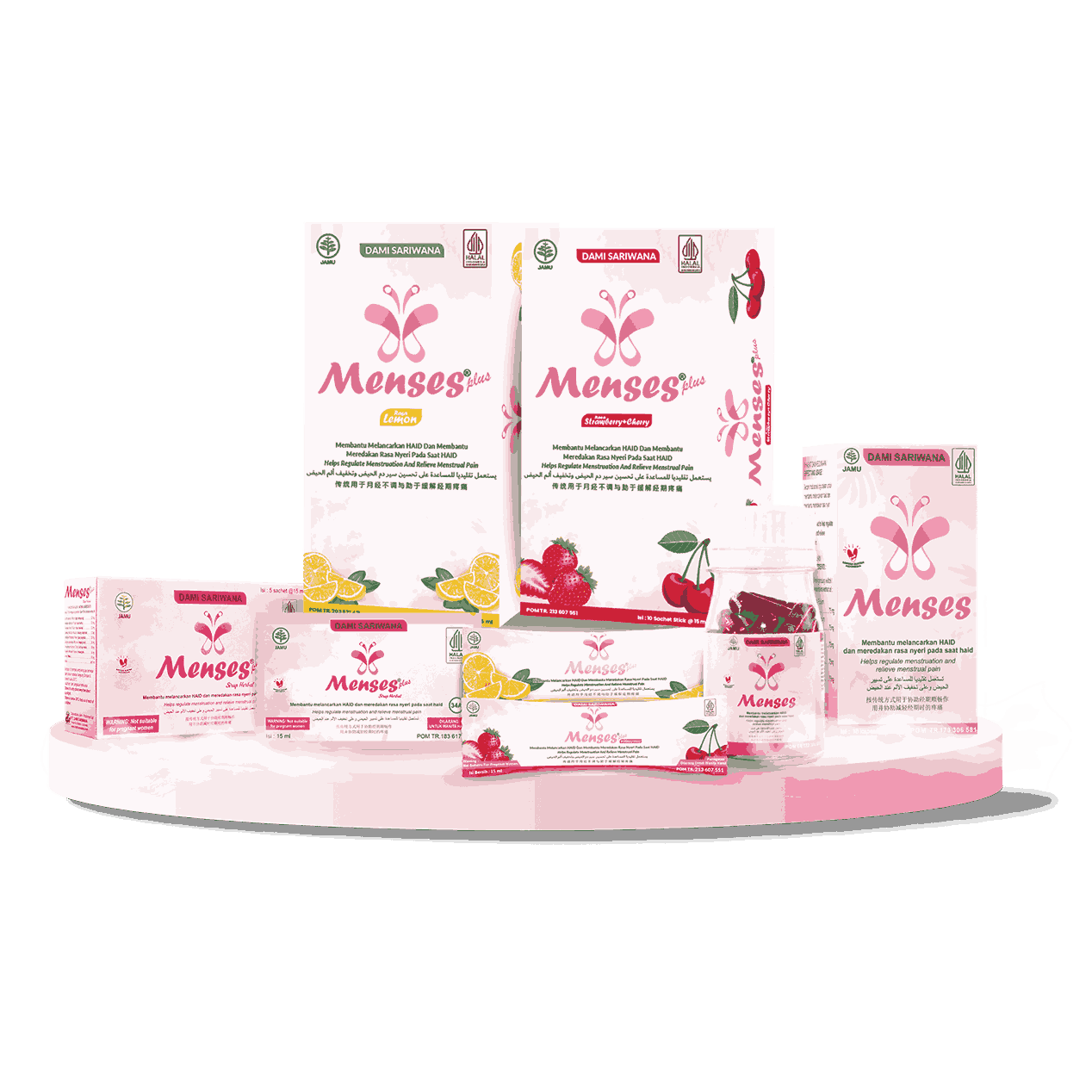
If you are looking for an herbal option to support your menstrual wellness, Menses Herbal Menstrual Support may be worth considering as part of your self-care routine.
Menses is an herbal product formulated to support menstrual comfort and help women take better care of their menstrual health naturally. It can be a practical addition to your routine, especially when you want to pay more attention to your body's menstrual needs.
However, remember that herbal products are not a substitute for medical diagnosis or treatment. If you experience persistent Menses Irregular Periods, severe menstrual pain, unusually heavy bleeding, or other concerning symptoms, consult a healthcare professional to identify the underlying cause.
Ready to support your menstrual wellness?
🌷 Shop Menses now and make your menstrual care a part of your self-care routine, girl! Shop Menses Here →
Menses Irregular Periods: What Should You Do First?
If your period suddenly becomes irregular, start by observing rather than immediately assuming the worst.
Think about what has changed recently.
Have you been under unusual stress?
Have you changed your diet?
Have you gained or lost significant weight?
Have you started exercising much more?
Have you started a new medication?
Could pregnancy be possible?
Are you experiencing other symptoms?
Writing these details down can help you identify potential patterns.
If the irregularity continues, becomes more severe, or comes with other symptoms, make an appointment with a healthcare professional.
You do not have to wait until your symptoms become severe before asking questions.
Common Myths About Menses Irregular Periods
There are many misconceptions about menstrual cycles.
Understanding what is true can help you make better decisions about your health.
Myth: Every Woman Must Have the Same Cycle Length
Not true.
Menstrual cycles can naturally vary between individuals. Even the same person may experience some variation between cycles.
What matters is understanding your usual pattern and noticing meaningful changes.
Myth: One Late Period Always Means Pregnancy
Not necessarily.
Pregnancy is one possible reason for a late period, but stress, hormonal changes, illness, weight changes, exercise, medications, and other factors can also affect menstruation.
If pregnancy is possible, testing is an appropriate way to check.
Myth: Irregular Periods Are Always Dangerous
Not necessarily.
There are many possible causes of Menses Irregular Periods, and some are temporary.
However, repeated or significant changes should still be evaluated when appropriate.
Myth: You Should Ignore Irregular Periods if You Feel Fine
This is not always a good idea.
Some underlying conditions can initially cause few symptoms.
Tracking your cycle and discussing persistent changes with a healthcare professional can help you stay informed.
Frequently Asked Questions About Menses Irregular Periods
What are Menses Irregular Periods?
Menses Irregular Periods describes menstrual cycles that are inconsistent in timing, duration, flow, or frequency. Occasional variation can happen, but persistent changes may need evaluation.
What causes Menses Irregular Periods?
Common causes include hormonal changes, stress, significant weight changes, excessive exercise, PCOS, thyroid problems, certain medications, perimenopause, and pregnancy.
Can stress cause irregular periods?
Yes. Prolonged or significant stress can affect hormonal signals involved in ovulation and menstruation. This may make periods later or less predictable.
Can weight changes affect my period?
Yes. Significant weight loss or gain can affect hormonal function and menstrual regularity. Very restrictive diets may also affect reproductive health.
Can exercise cause Menses Irregular Periods?
Intense exercise combined with inadequate energy intake or insufficient recovery can affect menstrual function. Moderate, sustainable physical activity is generally beneficial for overall health.
Does PCOS always cause irregular periods?
No. Symptoms of PCOS vary between individuals. Some people may have irregular periods, while others may have different symptoms or more subtle signs.
When should I see a doctor about irregular periods?
Consider seeking professional advice when irregular periods persist, represent a major change from your usual pattern, or occur with other concerning symptoms such as severe pain, very heavy bleeding, dizziness, or unusual discharge.
How can I track my menstrual cycle?
Record the first day of each period, duration, approximate flow, symptoms, spotting, and major lifestyle changes. A calendar, notebook, or period-tracking app can help.
Can natural remedies fix irregular periods?
There is no single natural remedy that works for every cause of irregular menstruation. Healthy nutrition, adequate sleep, stress management, and balanced exercise can support overall health, but underlying conditions may require professional care.
Is one irregular period normal?
An occasional change can happen and does not necessarily indicate a health problem. If irregularity continues or becomes unusual for you, consider discussing it with a healthcare professional.
Final Thoughts
Menses Irregular Periods can happen for many different reasons. Stress, hormonal changes, weight fluctuations, intense exercise, PCOS, thyroid conditions, medications, perimenopause, and pregnancy are among the possibilities.
The key is to understand your own menstrual pattern.
Do not judge your health based on one unusual cycle. Instead, track your periods and pay attention to changes that continue over time.
Healthy daily habits can also provide a strong foundation for menstrual wellness. Eat balanced meals, stay active, sleep well, manage stress, and give your body enough time to recover.
Most importantly, do not ignore persistent or concerning symptoms.
Your menstrual cycle can provide useful information about your overall well-being. By paying attention to your body and seeking professional advice when needed, you can make more informed decisions about your reproductive health.
Listen to your body, understand your cycle, and take your menstrual health seriously. 🌷
References
-
American College of Obstetricians and Gynecologists (ACOG). Abnormal Uterine Bleeding. Provides information about normal menstrual cycle length, irregular menstrual cycles, heavy bleeding, spotting between periods, and when abnormal bleeding may require medical evaluation.
-
American College of Obstetricians and Gynecologists (ACOG). Amenorrhea: Absence of Periods. Explains missed periods, menstrual cycle changes, possible causes of amenorrhea, and when medical evaluation may be needed.
-
Office on Women’s Health, U.S. Department of Health and Human Services. Menstrual Cycle. Provides information about menstrual cycle patterns, period problems, menstrual tracking, and changes that may require medical attention.
-
Office on Women’s Health, U.S. Department of Health and Human Services. Polycystic Ovary Syndrome (PCOS). Explains how hormonal imbalance and irregular ovulation associated with PCOS can cause missed or irregular menstrual periods.
-
National Institute of Diabetes and Digestive and Kidney Diseases (NIDDK). Hypothyroidism (Underactive Thyroid). Explains how thyroid disorders may be associated with heavy or irregular menstrual periods, fertility problems, fatigue, weight changes, and other symptoms.
-
National Health Service (NHS). Irregular Periods. Covers common causes of irregular menstrual cycles, including pregnancy, stress and anxiety, significant weight changes, excessive exercise, hormonal contraception, PCOS, thyroid problems, puberty, and menopause.
-
Mayo Clinic. Menstrual Cycle: What’s Normal, What’s Not. Provides guidance on menstrual cycle tracking and discusses possible causes of menstrual irregularities, including pregnancy, breastfeeding, extreme weight loss, excessive exercise, and hormonal conditions.
-
Mayo Clinic. Amenorrhea – Symptoms and Causes. Discusses how stress, low body weight, excessive exercise, medications, PCOS, thyroid disorders, and other hormonal conditions may affect menstruation.
-
Mayo Clinic. Perimenopause – Symptoms and Causes. Explains why menstrual cycles may become shorter, longer, heavier, lighter, or less predictable during the transition toward menopause.
-
National Health Service (NHS). Missed or Late Periods. Provides information about common causes of late or missed periods, including pregnancy, stress, perimenopause, PCOS, sudden weight loss, being overweight, excessive exercise, hormonal contraception, and breastfeeding.
Get Menses from Official Stores
To ensure product authenticity, you can purchase Menses via:
Shopping at official stores ensures security and product authenticity, and makes it easy to access the latest information and promotions.