Headache During Menstruation? 5 Possible Causes You Should Know
Headache During Menstruation can be uncomfortable and distracting. For some women, a headache may appear a few days before the period starts. For others, it may happen during the first days of menstrual bleeding.
A period headache can range from mild pressure to strong, throbbing pain. It may also come with tiredness, nausea, sensitivity to light, or difficulty focusing.
But why does this happen? Is it caused by hormonal changes, lack of sleep, stress, or something else?
Read also: 9 Powerful Reasons for a Healthier Period and Better Menstrual Care
Understanding the possible triggers can help you manage the discomfort better. In this article, we will explore 5 possible causes of Headache During Menstruation, common symptoms, helpful lifestyle habits, and signs that should not be ignored.
What Is Headache During Menstruation?
Headache During Menstruation refers to head pain that occurs around the menstrual period. The pain can happen before, during, or shortly after menstruation.
Some women experience a mild tension headache. Others may experience a menstrual migraine. A migraine can cause stronger and often throbbing pain.
Menstrual headaches can also affect daily activities. You may find it harder to work, study, exercise, or concentrate on simple tasks.
The exact experience can be different for every person. The timing, severity, and symptoms may also change from one menstrual cycle to another.
A useful first step is to notice when the headache appears. Tracking your period and headache symptoms can help you identify patterns over time.
5 Possible Causes of Headache During Menstruation
There is no single reason why menstrual headaches happen. Several factors may work together.
Hormonal changes are one common factor. However, lifestyle habits, stress, hydration, food intake, and sleep can also influence headaches.
Here are five possible causes to understand.
1. Changes in Estrogen Levels
One of the most common explanations for Headache During Menstruation is a change in estrogen.
Estrogen levels naturally change throughout the menstrual cycle. Just before a period begins, estrogen can drop significantly.
This hormonal shift may trigger headaches or migraines in people who are sensitive to changes in estrogen.
That is one reason some women notice headaches shortly before menstrual bleeding begins.
The headache may occur regularly around the same time each month. Some people may also notice other symptoms, such as fatigue, mood changes, or increased sensitivity to light.
Hormonal headaches can feel different from ordinary headaches. They may last longer or feel more intense.
Keeping a menstrual and symptom diary can be helpful. Write down the first day of your period, when the headache starts, how long it lasts, and any other symptoms.
Over several cycles, this information may reveal whether the headache is connected to a particular stage of your menstrual cycle.
2. Dehydration
Not drinking enough fluids may also contribute to Headache During Menstruation.
The body needs enough fluid to support normal functions. When you become dehydrated, you may experience symptoms such as headache, tiredness, dry mouth, or dizziness.
Some people may drink less water when they are busy, stressed, or experiencing menstrual discomfort.
Caffeine intake can also affect hydration habits. If you regularly drink coffee, tea, or energy drinks, sudden changes in your usual caffeine intake may also influence headaches.
The solution is simple but important.
Try to drink water regularly throughout the day. Do not wait until you feel extremely thirsty.
You can also include foods with high water content, such as watermelon, oranges, cucumber, and soups.
If you have been vomiting, have severe diarrhea, or cannot keep fluids down, dehydration can become more serious. In that situation, medical advice may be necessary.
3. Lack of Sleep
Poor sleep can make headaches more likely.
During menstruation, some women experience cramps, bloating, mood changes, or discomfort. These symptoms may make it harder to sleep well.
Sleeping too little can then make the body feel more tired the next day.
This combination may contribute to Headache During Menstruation.
An inconsistent sleep schedule may also play a role. Going to bed very late on some days and waking up early on others can make it harder for the body to maintain a stable sleep routine.
Try to create a simple bedtime routine.
Go to bed and wake up at similar times each day. Reduce screen use before bed. Keep the bedroom comfortable and quiet.
If menstrual cramps disturb your sleep, focus on managing the discomfort with appropriate self-care. Better sleep may help reduce one possible headache trigger.
4. Stress and Emotional Changes
Stress is another possible contributor to Headache During Menstruation.
Work, school, relationships, financial concerns, and daily responsibilities can all increase stress.
Hormonal changes around menstruation may also affect mood and energy. When several factors occur at the same time, headaches may become more noticeable.
Stress can contribute to muscle tension. Tension around the neck, shoulders, and scalp may produce a pressure-like headache.
Some people describe this feeling as a tight band around the head.
Managing stress does not mean eliminating every stressful situation. Instead, focus on small habits that help your body relax.
Try slow breathing, gentle stretching, walking, light exercise, journaling, or taking short breaks during busy days.
Even a few minutes of relaxation can be useful.
If you frequently experience Headache During Menstruation during stressful periods, tracking your stress level may help you identify a pattern.
5. Changes in Eating Habits
Your eating habits can also affect headaches.
Some people eat less during menstruation because of nausea, bloating, or changes in appetite. Others may skip meals because they are busy.
Going for long periods without eating may contribute to headache symptoms in some people.
A diet that is low in overall nutrition may also leave you feeling tired and weak.
Try to maintain regular meals. Choose balanced foods that contain carbohydrates, protein, healthy fats, vegetables, and fruit.
For example, you can choose:
-
Rice with vegetables and eggs.
-
Oatmeal with fruit and yogurt.
-
Whole-grain bread with eggs.
-
Soup with vegetables and lean protein.
-
Fruit with nuts as a simple snack.
There is no single “period headache diet” that works for everyone.
However, paying attention to your eating pattern can help you recognize personal triggers.
What Does a Menstrual Headache Feel Like?
The symptoms of Headache During Menstruation can vary.
Some headaches feel like pressure. Others may feel throbbing or pulsing.
You may experience pain on one side of the head or across the entire head.
A menstrual migraine can also include additional symptoms.
Possible symptoms include:
Not everyone experiences all of these symptoms.
The intensity can also vary from one cycle to another.
If your headaches are consistently severe or interfere with normal activities, consider speaking with a healthcare professional.
Headache During Menstruation vs. Menstrual Migraine
It is helpful to understand that not every period-related headache is a migraine.
A typical tension headache may feel like pressure or tightness. It may affect both sides of the head.
A migraine can be more intense. It may cause throbbing pain and may be accompanied by nausea or sensitivity to light and sound.
Menstrual migraine is a migraine that is associated with the menstrual cycle.
It often occurs around the beginning of menstrual bleeding. Hormonal changes are believed to be an important factor for some people.
However, only a healthcare professional can properly assess your symptoms and determine what type of headache you may have.
Avoid diagnosing yourself based only on an online article.
Why Do You Get Migraines Before Your Period? Here’s the Reason!
7 Simple Ways to Manage Headache During Menstruation
If you often experience Headache During Menstruation, several simple habits may help.
These steps are not a guaranteed cure. They are general strategies that may support comfort and help you identify potential triggers.
1. Drink Enough Water
Make hydration part of your daily routine.
Keep a water bottle nearby if that makes drinking water easier.
Your fluid needs can vary depending on your activity, environment, diet, and health.
If you have a medical condition that requires fluid restriction, follow your healthcare professional's advice instead.
2. Maintain a Regular Sleep Schedule
Aim for consistent sleep and wake times.
A regular routine may help your body maintain better sleep patterns.
Try to avoid staying up very late, especially during the days when you usually experience menstrual headaches.
3. Eat Regular Meals
Avoid frequently skipping meals.
Choose nutritious foods and include a variety of food groups in your daily meals.
If nausea makes eating difficult, smaller meals may feel easier for some people.
4. Reduce Stress
Find activities that help you relax.
You can try breathing exercises, gentle yoga, walking, stretching, meditation, or listening to calming music.
The goal is not to remove every source of stress. The goal is to give your body regular opportunities to relax.
5. Limit Your Personal Triggers
Some people notice that certain foods, drinks, strong smells, bright lights, or changes in caffeine intake can trigger headaches.
However, triggers are highly individual.
Do not eliminate many foods from your diet without a clear reason.
Instead, keep a simple headache diary.
6. Rest in a Comfortable Environment
When Headache During Menstruation appears, reducing stimulation may help.
Try resting in a quiet room. If light makes the pain worse, a darker environment may feel more comfortable.
A cool or warm compress may also feel soothing for some people.
Choose whichever temperature feels better for you.
7. Consider Appropriate Treatment
Some people use over-the-counter pain relievers for headaches.
However, the right medicine depends on your symptoms, health history, other medicines, allergies, and individual circumstances.
Always follow the product instructions.
If you frequently need pain medicine for Headache During Menstruation, talk with a healthcare professional. Frequent use of some headache medicines can itself contribute to medication-overuse headaches.
Can Menstrual Headaches Be Prevented?
It may not always be possible to completely prevent Headache During Menstruation.
However, recognizing your personal pattern may make management easier.
Start by tracking your symptoms for several menstrual cycles.
Record:
-
The first day of your period.
-
The day your headache begins.
-
How long the headache lasts.
-
Pain intensity.
-
Sleep quality.
-
Meals.
-
Water intake.
-
Stress levels.
-
Caffeine intake.
-
Other symptoms.
-
Any medicine or treatment you use.
This information can be useful when discussing your symptoms with a healthcare professional.
For some people, headaches happen at a predictable time every month.
For others, there may be several triggers at the same time.
A headache diary can help separate these factors.
When Should You See a Doctor?
Most headaches are not caused by a serious condition. However, some symptoms require medical attention.
You should consider speaking with a healthcare professional if Headache During Menstruation:
-
Happens frequently.
-
Is becoming more severe.
-
Lasts longer than usual.
-
Interferes with work, school, or daily activities.
-
Keeps returning despite lifestyle changes.
-
Requires frequent pain medicine.
-
Is associated with unusual symptoms.
-
Suddenly changes from your normal headache pattern.
You should seek urgent medical care for a sudden and extremely severe headache, especially if it feels like the worst headache you have ever experienced.
Urgent evaluation is also important if a severe headache occurs with symptoms such as fainting, confusion, weakness, difficulty speaking, vision loss, seizure, severe fever, or a stiff neck.
These symptoms should not simply be assumed to be caused by menstruation.
Common Mistakes When Managing Period Headaches
Sometimes, small habits can make headaches harder to manage.
One common mistake is waiting too long to drink water.
Another is skipping meals because of a busy schedule.
Poor sleep can also become a repeating cycle. You feel uncomfortable, sleep poorly, and then feel more tired the next day.
Taking pain medicine too frequently is another issue to be aware of.
If you regularly rely on medication to manage Headache During Menstruation, discuss your headache pattern with a healthcare professional.
It may be better to identify the underlying triggers and create a more suitable management plan.
How a Headache Diary Can Help
A headache diary is a simple tool.
You do not need a complicated application.
A notebook or phone note can be enough.
Write down the date and time your headache starts. Then record what you ate, how much you slept, your stress level, and your menstrual cycle day.
After a few months, you may notice a pattern.
For example, you might discover that your headaches often appear after several nights of poor sleep.
Another person may notice that headaches happen around the first days of menstrual bleeding.
Someone else may notice that skipping breakfast is a common trigger.
The goal is not to blame yourself.
The goal is to understand your body better.
Supporting Your Body During Menstruation
Menstruation is a normal biological process, but it can come with uncomfortable symptoms.
Headaches may occur alongside cramps, bloating, fatigue, mood changes, and breast tenderness.
Taking care of your overall health can support your comfort during this time.
Focus on adequate rest, balanced meals, regular hydration, and manageable physical activity.
Gentle movement can be helpful for some people. A short walk or light stretching may feel better than staying inactive all day.
Listen to your body.
If an activity makes your symptoms worse, slow down and rest.
You do not need to push yourself through severe pain.
Support Your Menstrual Comfort Naturally
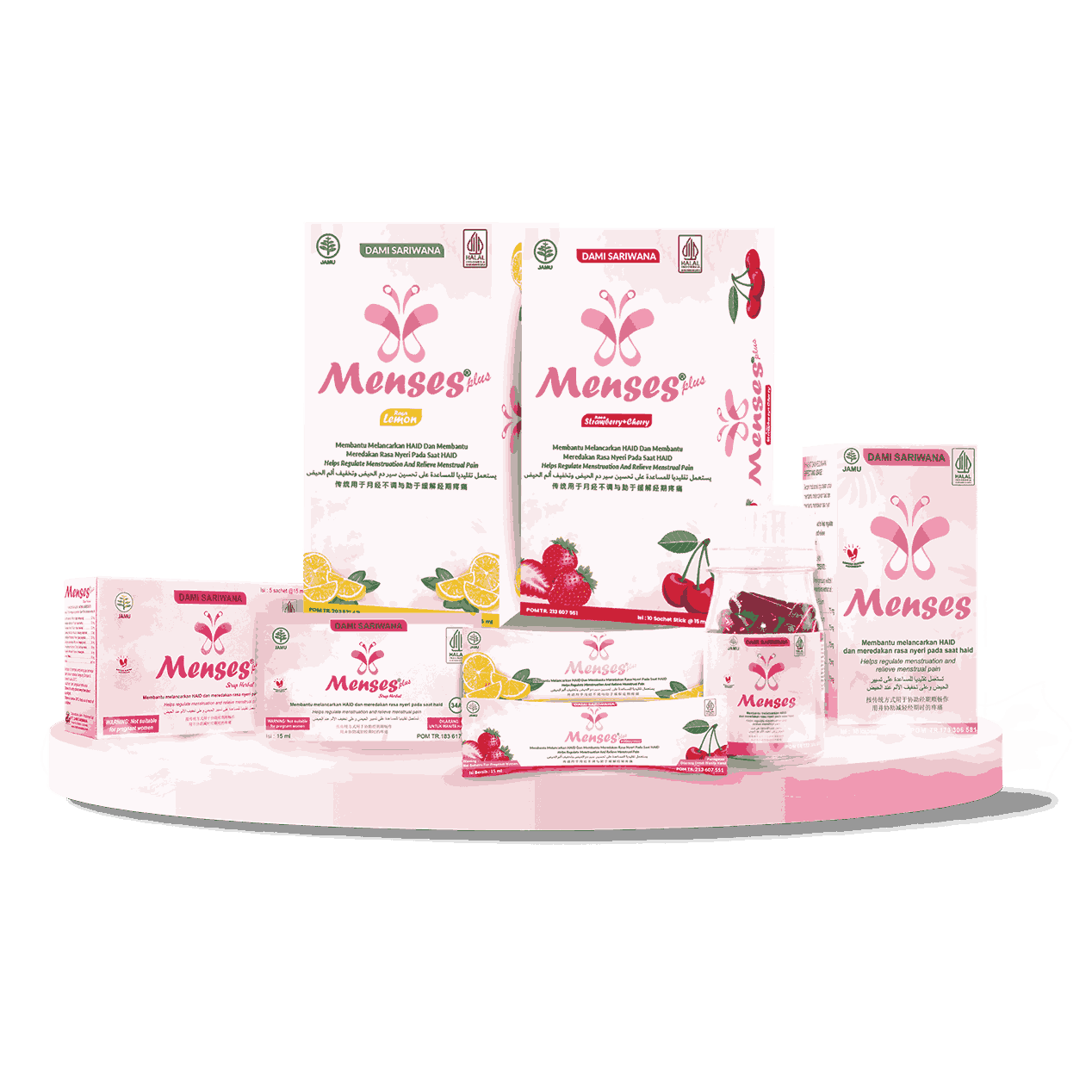
If you are looking for a herbal option to support your menstrual comfort, you can consider Menses Herbal Supplement for Menstrual Relief and Natural Menstrual Comfort. It is designed to support comfort during menstruation and can be included as part of your self-care routine.
Remember that everyone can have a different menstrual experience. Combine your menstrual care routine with enough rest, balanced meals, regular hydration, and a healthy lifestyle.
🌷 Buy it here now, girl: store.menses.id
Natural Approaches and Herbal Products
Some people prefer natural approaches when managing menstrual discomfort.
Lifestyle habits should remain an important foundation.
If you are considering an herbal product for menstrual comfort, check the ingredients carefully. Make sure the product is appropriate for you.
“Natural” does not automatically mean that a product is suitable for everyone.
Herbal products can have active ingredients and may interact with certain medicines or health conditions.
If you are pregnant, breastfeeding, taking regular medication, or have an existing health condition, consult a healthcare professional before using a new herbal product.
For recurring Headache During Menstruation, do not rely only on supplements or herbal products without understanding the possible cause of your symptoms.
Frequently Asked Questions
Is Headache During Menstruation normal?
Headaches can occur around menstruation, and hormonal changes are one possible reason. However, severe, unusual, or persistent headaches should be discussed with a healthcare professional.
Why do I get a headache before my period?
Hormonal changes, particularly changes in estrogen, may contribute to headaches before menstruation. Stress, poor sleep, dehydration, and changes in eating habits may also play a role.
How long can a menstrual headache last?
The duration can vary. Some headaches may be short, while migraines can last much longer. If your headache lasts unusually long or keeps returning, seek professional medical advice.
Can dehydration cause Headache During Menstruation?
Dehydration can contribute to headaches. Drinking fluids regularly and maintaining adequate hydration may help reduce one potential trigger.
Can lack of sleep cause period headaches?
Yes. Poor sleep can contribute to headaches in some people. Maintaining a consistent sleep routine may help reduce this potential trigger.
Is Headache During Menstruation the same as migraine?
Not always. Some people experience tension-type headaches, while others experience menstrual migraine. Migraines may include throbbing pain, nausea, and sensitivity to light or sound.
When is a menstrual headache dangerous?
Seek urgent medical care if a headache is sudden and extremely severe or occurs with symptoms such as confusion, fainting, weakness, seizure, vision loss, difficulty speaking, severe fever, or a stiff neck.
How can I know what triggers my menstrual headache?
Keep a headache and menstrual diary. Track your cycle, headache timing, sleep, food, hydration, stress, caffeine, and other symptoms. Patterns may become easier to recognize over time.
Final Thoughts
Headache During Menstruation can be frustrating, especially when it appears repeatedly around the same time every month.
Hormonal changes are one possible cause. However, dehydration, poor sleep, stress, and changes in eating habits may also contribute.
The best approach is to understand your individual pattern.
Start with simple habits. Drink enough water. Eat regularly. Get consistent sleep. Manage stress. Take time to rest.
Most importantly, pay attention to changes in your symptoms.
A headache that is suddenly severe, unusual, or accompanied by serious symptoms should not automatically be blamed on menstruation.
If Headache During Menstruation keeps affecting your daily life, talk with a healthcare professional. With the right evaluation and a better understanding of your triggers, you can work toward a more comfortable menstrual experience.
References
-
American Migraine Foundation. (2022). Hormonal and Menstrual Migraine: Symptoms and Treatment.
https://americanmigrainefoundation.org/resource-library/hormonal-menstrual-migraine/
-
Cleveland Clinic. (2024). Period Headaches: Symptoms, Treatment & Prevention.
https://my.clevelandclinic.org/health/diseases/8260-menstrual-migraines-hormone-headaches
-
Mayo Clinic. (2024). Headaches and Hormones: What's the Connection?
https://www.mayoclinic.org/diseases-conditions/chronic-daily-headaches/in-depth/headaches/art-20046729
-
Mayo Clinic News Network. (2021). Mayo Clinic Q and A: Headaches and Menstruation.
https://newsnetwork.mayoclinic.org/discussion/mayo-clinic-q-and-a-headaches-and-menstruation/
-
Raffaelli, B., et al. (2023). Menstrual Migraine Is Caused by Estrogen Withdrawal: Revisiting the Evidence. The Journal of Headache and Pain.
https://pubmed.ncbi.nlm.nih.gov/37730536/
-
American Migraine Foundation. Spotlight On: Migraine in Women.
https://americanmigrainefoundation.org/resource-library/migraine-women/
Get Menses from Official Stores
To ensure product authenticity, you can purchase Menses via:
Shopping at official stores ensures security and product authenticity, and makes it easy to access the latest information and promotions.