Dark Menses Blood: 7 Powerful Signs, Is It Normal or a Warning Sign?
Dark Menses Blood can look worrying when your period suddenly appears dark brown, deep red, or almost black. You may wonder if something is wrong with your menstrual health.
In many cases, dark period blood is not a serious problem. The color can change naturally during your menstrual cycle. Blood that takes longer to leave the uterus may become darker after being exposed to oxygen.
Still, color is only one part of the picture. Other symptoms matter too.
Read also: 9 Powerful Reasons for a Healthier Period and Better Menstrual Care
Changes in bleeding patterns, severe pain, unusual discharge, fever, dizziness, or very heavy bleeding may need medical attention. Understanding the possible causes can help you know when dark menstrual blood is normal and when it should be checked.
Dark Menses Blood: What Does It Mean?
The color of menstrual blood can range from bright red to dark red, brown, or nearly black. This variation is often related to how long the blood stays inside the uterus or vagina before leaving the body.
Fresh menstrual blood tends to look brighter. Older blood can become darker because of oxidation. This is similar to how blood can look different after it has been exposed to air.
That means Dark Menses Blood does not automatically mean that you have an infection, disease, or serious reproductive health problem.
The timing of the bleeding is also important.
Dark blood is commonly noticed at the beginning or end of a period. Menstrual flow may be lighter at these times. When blood leaves the body more slowly, it has more time to change color.
Why Does Period Blood Become Dark?
Several normal processes can affect menstrual blood color.
During menstruation, the uterus releases blood and tissue through the vagina. The speed of this flow can change throughout the period.
When the flow is fast, blood may appear red or bright red. When the flow is slower, the blood may stay in the reproductive tract for longer.
As it becomes exposed to oxygen, its color can become darker.
This is why you may notice brown or dark blood when wiping or on a sanitary pad. You may also see small clots or thicker blood during some periods.
The color alone usually cannot tell you whether something is wrong.
7 Common Causes of Dark Menses Blood
There are several possible reasons for darker menstrual blood. Most are related to normal menstrual changes.
1. Older Menstrual Blood
One of the most common explanations for Dark Menses Blood is simply older blood.
Menstrual blood does not always leave the body immediately. Some blood may remain in the uterus or vagina for a longer period before it is released.
As the blood is exposed to oxygen, it can become darker.
You may notice this near the beginning of your period when the menstrual flow is just starting. It can also happen during the final days of menstruation when the flow becomes lighter.
In this situation, dark brown or deep red blood can be completely normal.
2. Slow Menstrual Flow
The speed of menstrual flow can affect blood color.
A light flow may allow blood to leave the body more slowly. This gives it more time to oxidize.
As a result, menstrual blood can appear brown, dark red, or almost black.
Slow flow can happen naturally during lighter days of your period. It does not necessarily indicate a health problem.
However, if your usual cycle changes significantly and stays different for several months, it is worth discussing with a healthcare professional.
3. The Beginning of Your Period
Some people notice dark menstrual blood when their period first starts.
The first bleeding may be light. Blood can mix with vaginal fluids and may take longer to leave the body.
This can make it appear darker than the blood seen during heavier days.
You may see a small amount of brown or dark red spotting before your normal menstrual flow begins.
This is often a normal variation.
4. The End of Your Period
Dark blood is also common during the final days of menstruation.
As your period becomes lighter, the amount of blood leaving the uterus decreases. The slower flow can result in darker blood.
You may notice brown discharge or very dark menstrual blood after the heavier bleeding has stopped.
This can happen occasionally without indicating a problem.
5. Hormonal Changes
Hormones play an important role in the menstrual cycle.
Changes in estrogen and progesterone can affect the thickness of the uterine lining, the timing of ovulation, and the amount of menstrual bleeding.
Hormonal changes may occur for many reasons.
Stress, changes in body weight, intense exercise, sleep changes, and some hormonal birth control methods can affect menstrual patterns.
When your flow becomes lighter or irregular, you may notice more brown or dark blood.
If these changes continue or come with other symptoms, a healthcare professional can help identify the cause.
6. Pregnancy-Related Bleeding
Dark spotting can sometimes occur during pregnancy. However, bleeding during pregnancy should not automatically be assumed to be a normal period.
If you could be pregnant and experience bleeding, especially with abdominal or pelvic pain, you should contact a healthcare professional for appropriate evaluation.
Do not use menstrual blood color alone to determine whether you are pregnant.
A pregnancy test and professional assessment may be needed depending on your situation.
7. An Underlying Reproductive Health Problem
Less commonly, unusual bleeding may be connected with an underlying reproductive health condition.
Conditions that affect the uterus, cervix, hormones, or reproductive tract can sometimes change bleeding patterns.
The important point is that Dark Menses Blood by itself does not diagnose any specific condition.
Doctors usually consider the complete picture. This may include your cycle history, bleeding amount, pain, discharge, medications, pregnancy possibility, and other symptoms.
If your bleeding pattern has changed suddenly or repeatedly, getting professional advice is a sensible step.
Is Dark Menses Blood Normal?
In many situations, yes.
Dark brown or almost black menstrual blood can be part of a normal period. It is especially common when bleeding is light or when blood is leaving the body slowly.
The key is to look at the overall pattern.
If your period arrives around its usual time and you feel well, a temporary change in blood color may not be concerning.
For example, you might see:
-
Dark blood at the beginning of your period.
-
Brown blood near the end of your period.
-
Dark red blood during a lighter flow.
-
A small amount of old blood after a heavier day.
-
Temporary color changes that return to normal during the next cycle.
These patterns can occur without indicating a serious problem.
However, dark bleeding accompanied by unusual symptoms deserves more attention.
When Is Dark Menses Blood a Warning Sign?
Menstrual blood color is only one factor.
You should pay closer attention if Dark Menses Blood occurs together with symptoms that are unusual for you.
Seek Medical Advice for Very Heavy Bleeding
Very heavy menstrual bleeding can require medical evaluation.
Consider seeking medical advice if you are soaking through pads or tampons unusually quickly, repeatedly passing very large clots, or experiencing bleeding that interferes with normal daily activities.
Heavy bleeding can sometimes contribute to iron deficiency and anemia.
Do not ignore bleeding that feels significantly different from your usual period.
Pay Attention to Severe Pelvic Pain
Mild cramps are common during menstruation.
Severe or worsening pelvic pain is different.
If dark bleeding occurs with intense pain, especially pain that is sudden or unusual for you, contact a healthcare professional.
Pain combined with possible pregnancy should receive prompt attention.
Watch for Fever or Feeling Very Unwell
A fever, chills, weakness, or feeling seriously unwell alongside unusual vaginal bleeding should not be ignored.
These symptoms can indicate that further medical assessment is needed.
The combination of symptoms is more important than menstrual blood color alone.
Notice Unusual Vaginal Odor or Discharge
Menstrual blood has its own natural smell. However, a strong or unusual odor combined with abnormal discharge may need evaluation.
Pay attention if you notice:
-
A strong unpleasant odor.
-
Yellow or green discharge.
-
Significant vaginal irritation.
-
Burning.
-
Pelvic pain.
-
Fever.
These symptoms may indicate an issue that needs professional assessment.
Why Is My Menses Late? 9 Signs Your Body May Be Trying to Tell You Something
Dark Menses Blood and Menstrual Cycle Changes
Your menstrual cycle can change from one month to another.
A stressful period at work or school, changes in sleep, travel, exercise, diet, or body weight can sometimes affect your cycle.
As a result, the amount and appearance of menstrual blood may change too.
One cycle may have brighter red blood. Another may have more brown or dark blood.
This does not necessarily mean that your reproductive health has become worse.
Instead of focusing only on color, track your complete cycle.
Record the first day of bleeding, the length of your period, the amount of bleeding, pain levels, and any unusual symptoms.
This information can be useful if you later need to speak with a healthcare professional.
Does Dark Blood Mean Your Period Is Unhealthy?
Not necessarily.
The appearance of menstrual blood can naturally vary.
Some people regularly have dark blood during the first or last days of their period. Others may see mostly bright red blood.
There is no single menstrual blood color that applies to everyone.
Your usual pattern is often more useful than comparing your period with someone else's.
If dark blood has always been part of your cycle and you have no concerning symptoms, it may simply be normal for your body.
On the other hand, a sudden and persistent change deserves attention.
How to Track Dark Menses Blood
Tracking your period can help you understand changes more clearly.
You do not need a complicated system.
A simple menstrual calendar can be enough.
Record the Color
You can note whether your menstrual blood looks:
-
Bright red.
-
Dark red.
-
Brown.
-
Very dark brown.
-
Nearly black.
Remember that color can look different on toilet paper, underwear, pads, or other menstrual products.
Record the Flow
Write down whether your flow is light, moderate, or heavy.
You can also record how often you need to change your menstrual product.
This can help you recognize changes over time.
Record Pain and Other Symptoms
Note whether you experience cramps, back pain, dizziness, unusual discharge, fever, or other symptoms.
The combination of symptoms can provide more useful information than color alone.
Compare Several Cycles
One unusual period may not tell you much.
Look for patterns across several menstrual cycles.
If your bleeding repeatedly becomes unusual, becomes much heavier, or occurs at unexpected times, consider discussing the pattern with a healthcare professional.
Simple Ways to Support Menstrual Comfort
Although you cannot control every change in menstrual blood color, you can take practical steps to support your overall menstrual comfort.
Stay Hydrated
Drink enough water throughout the day.
Hydration supports normal body functions and may help you feel more comfortable during your period.
Eat Balanced Meals
Try to include a variety of nutritious foods.
Iron-rich foods are especially useful during menstruation because the body loses some iron through blood loss.
Examples include leafy green vegetables, beans, eggs, meat, and fortified foods.
Vitamin C-rich foods can also help the body absorb iron from plant-based sources.
Get Enough Rest
Sleep and rest matter during your period.
If you feel tired, give your body enough recovery time.
A regular sleep schedule can also support overall well-being.
Use Gentle Movement
Light activities such as walking or gentle stretching may help some people manage menstrual discomfort.
You do not need to exercise intensely when you are not feeling well.
Listen to your body.
Track Your Menstrual Pattern
Keeping a simple period record can make changes easier to notice.
It can also make conversations with a healthcare professional more useful if you have concerns.
Support Your Menstrual Comfort with Menses
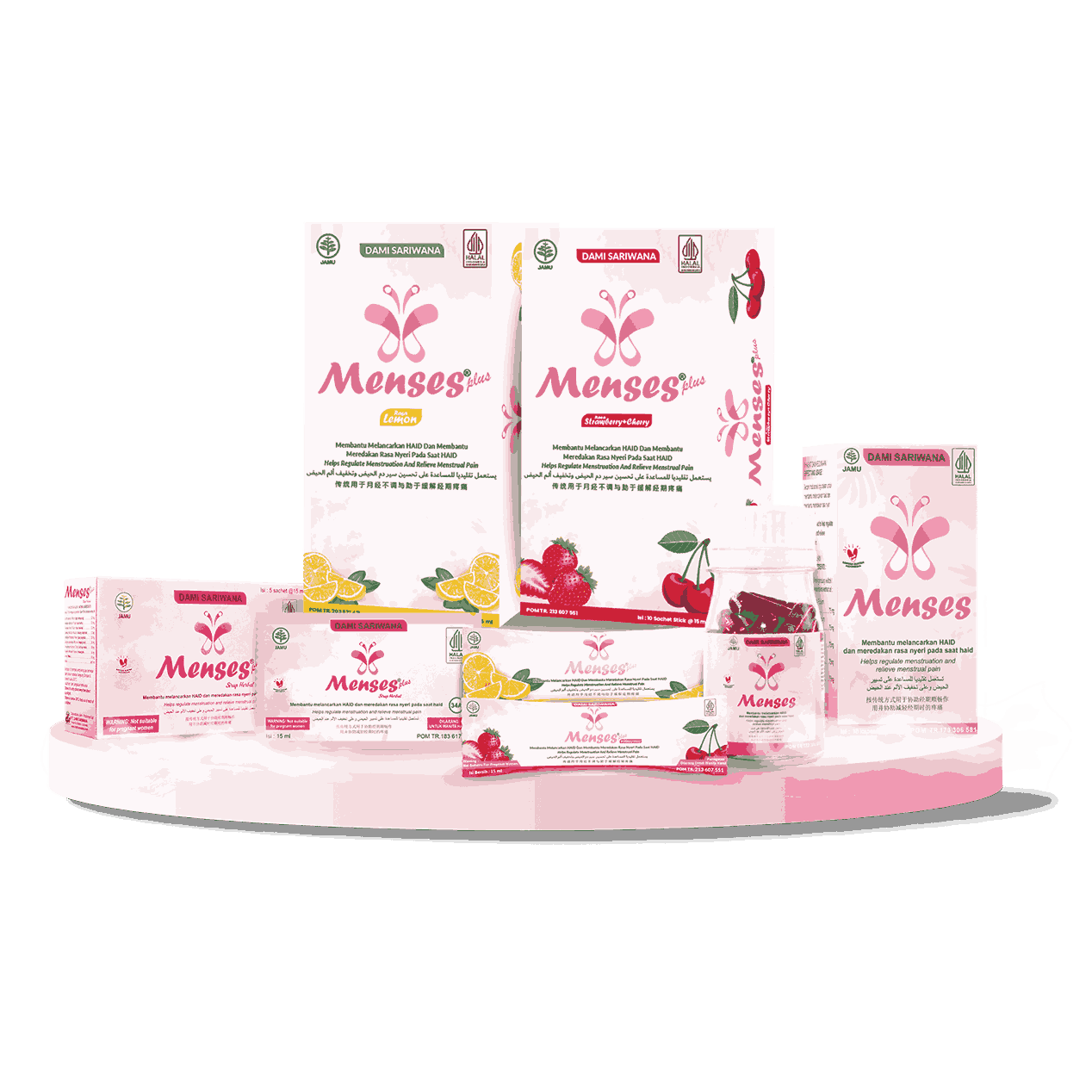
If you are looking for a natural herbal option to support menstrual comfort, Menses Herbal Medicine for Menstrual Relief and Natural Period Support can be an option to consider. It is designed to help support smoother menstruation and relieve menstrual discomfort, so you can feel more comfortable during your period.
🌷 Buy it here now, girl: store.menses.id/
What Should You Do If Dark Menses Blood Keeps Happening?
If dark menstrual blood appears occasionally and you have no other concerning symptoms, you can monitor it.
Look at when it occurs.
Does it happen at the beginning of your period? Does it appear during the last few days? Is your flow lighter than usual?
These details can help explain the change.
However, if the color change continues for several cycles or happens with abnormal bleeding, severe pain, unusual discharge, fever, dizziness, or other symptoms, consider getting medical advice.
A healthcare professional can evaluate your symptoms and determine whether further testing is appropriate.
Avoid diagnosing yourself based only on the color of menstrual blood.
Dark Menses Blood: When Should You Worry?
A simple way to think about it is to separate normal color changes from changes that come with other symptoms.
Usually less concerning:
Dark blood appears near the beginning or end of your period, your cycle remains fairly predictable, your flow is normal for you, and you feel well.
Worth discussing with a healthcare professional:
The change is new and persistent, your periods become significantly heavier or irregular, or you develop unusual pain or other symptoms.
Needs prompt medical attention:
You have very heavy bleeding, severe or sudden pelvic pain, fainting, significant weakness, fever, or bleeding during pregnancy with concerning symptoms.
When in doubt, it is better to ask a healthcare professional rather than rely on menstrual blood color alone.
Common Myths About Dark Menses Blood
There are many claims online about menstrual blood color.
Not all of them are accurate.
Myth: Black Period Blood Always Means Something Is Wrong
Not true.
Very dark blood can simply be older blood that has taken longer to leave the body.
Myth: Dark Blood Means Your Blood Is Dirty
This is a common misconception.
Menstrual blood is not “dirty blood.” It is a mixture of blood, uterine tissue, mucus, and vaginal secretions.
Its color can naturally change during the menstrual cycle.
Myth: Menstrual Blood Color Can Diagnose a Disease
Blood color alone cannot diagnose a health condition.
A diagnosis requires consideration of symptoms, medical history, examination, and sometimes testing.
Myth: Everyone Should Have the Same Period Blood Color
Menstrual patterns vary between individuals.
Your period can look different from another person's period and still be normal.
Frequently Asked Questions About Dark Menses Blood
Is Dark Menses Blood normal?
Often, yes. Dark brown, deep red, or nearly black menstrual blood can occur when blood takes longer to leave the body. It is particularly common during the beginning or end of a period.
Why is my period blood dark brown?
Dark brown blood is often older menstrual blood. When blood remains in the reproductive tract longer before leaving the body, oxidation can make it appear brown or darker.
Why does my period blood look almost black?
Very dark blood can occur when older blood has had more time to oxidize. If it happens occasionally without other concerning symptoms, it may be a normal part of your period.
Can stress cause dark menstrual blood?
Stress can affect menstrual patterns and may influence the timing or amount of bleeding. Changes in flow can sometimes make menstrual blood appear darker. However, persistent changes should be discussed with a healthcare professional.
Is dark period blood a sign of pregnancy?
Dark spotting can occur during pregnancy, but menstrual blood color cannot confirm pregnancy. If pregnancy is possible and you experience unusual bleeding, consider taking an appropriate pregnancy test and seeking medical advice.
Should I worry about dark blood at the end of my period?
Usually, dark blood near the end of a period is not unusual. Menstrual flow often becomes lighter, allowing blood to leave the body more slowly and appear darker.
When should I see a doctor about dark period blood?
Consider medical advice if the change is persistent or occurs with severe pain, very heavy bleeding, unusual discharge, fever, dizziness, fainting, or other symptoms that concern you.
Final Thoughts
Dark Menses Blood can look alarming, but the color alone does not necessarily indicate a health problem.
Dark brown, deep red, or nearly black blood can occur naturally. It is often seen when menstrual flow is slow or when blood appears at the beginning or end of a period.
The most important thing is to consider the full picture.
Pay attention to your usual cycle, bleeding amount, pain, and other symptoms. Tracking your period can help you recognize meaningful changes.
If dark bleeding becomes persistent or occurs with severe pain, heavy bleeding, fever, unusual discharge, dizziness, or other concerning symptoms, do not ignore it. A healthcare professional can help determine the cause.
Understanding your menstrual cycle can help you feel more confident about changes in your body. When something feels significantly different from your normal pattern, getting professional advice is always a reasonable choice.
References
-
Cleveland Clinic. Period Blood Comes in Different Colors: Here’s What They Mean. Cleveland Clinic Health Essentials. Explains how menstrual blood may appear bright red, dark red, brown, or darker depending on how long the blood remains in the uterus or vagina and undergoes oxidation.
https://health.clevelandclinic.org/what-does-the-color-of-your-period-mean
-
Mayo Clinic. Heavy Menstrual Bleeding – Symptoms and Causes. Mayo Clinic. Provides information about heavy menstrual bleeding, large blood clots, prolonged periods, fatigue from blood loss, and signs that require medical evaluation.
https://www.mayoclinic.org/diseases-conditions/menorrhagia/symptoms-causes/syc-20352829
-
Mayo Clinic. Menstrual Cramps – Symptoms and Causes. Mayo Clinic. Discusses menstrual cramps, pelvic pain, uterine contractions, and conditions that may cause unusually severe menstrual pain.
https://www.mayoclinic.org/diseases-conditions/menstrual-cramps/symptoms-causes/syc-20374938
-
National Health Service (NHS). Vaginal Bleeding in Pregnancy. NHS. Explains possible causes of spotting or bleeding during pregnancy and warning signs such as heavy bleeding, severe abdominal pain, dizziness, or fainting that require urgent medical attention.
https://www.nhs.uk/pregnancy/common-symptoms/vaginal-bleeding/
-
National Health Service (NHS). Ectopic Pregnancy – Symptoms. NHS. Provides information about vaginal bleeding in ectopic pregnancy, which may sometimes appear dark brown and can be mistaken for a regular period.
https://www.nhs.uk/conditions/ectopic-pregnancy/symptoms/
Get Menses from Official Stores
To ensure product authenticity, you can purchase Menses via:
Shopping at official stores ensures security and product authenticity, and makes it easy to access the latest information and promotions.