Brown Discharge After Menses: 6 Causes—Is It Normal or a Sign of a Problem?
Brown Discharge After Menses can be confusing, especially when you think your period has already ended.
In many cases, brown discharge is simply old menstrual blood. Blood can turn brown when it takes longer to leave the body and is exposed to oxygen.
However, brown discharge can also be related to hormonal changes, birth control, pregnancy, or infection. The timing, amount, smell, and other symptoms can help you understand whether it may be normal.
Read also: 9 Powerful Reasons for a Healthier Period and Better Menstrual Care
What Does Brown Discharge After Menses Mean?
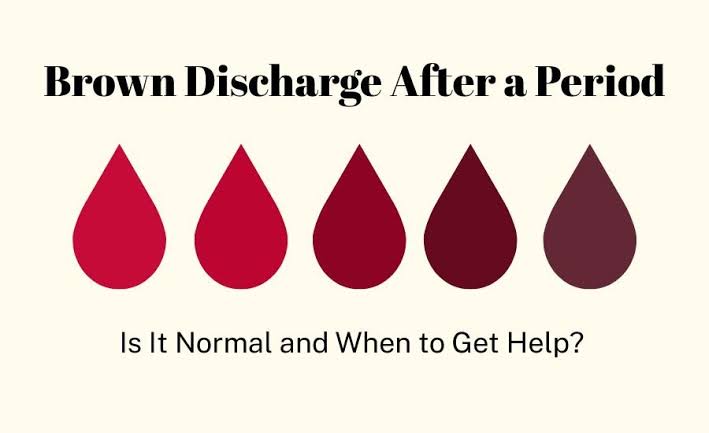
Brown discharge usually happens when a small amount of old blood mixes with normal vaginal discharge.
Fresh blood is usually red or dark red. Older blood may look brown because it has had more time to oxidize.
A small amount of brown discharge shortly after your period is often normal, especially if there is no pain, bad smell, or heavy bleeding.
6 Common Causes of Brown Discharge After Menses
1. Leftover Menstrual Blood
This is one of the most common causes.
Your period may not stop suddenly. Small amounts of blood can leave the uterus slowly after the main flow ends. This blood may look light brown, dark brown, or brownish-red.
2. Hormonal Changes
Changes in estrogen and progesterone can affect the uterine lining and cause light spotting.
Hormonal changes may happen because of stress, puberty, weight changes, exercise, sleep changes, or approaching menopause.
3. Hormonal Birth Control
Birth control pills, injections, implants, or hormonal IUDs may cause spotting.
This is especially common when starting or changing hormonal contraception. If bleeding becomes heavy or continues for a long time, talk with a healthcare professional.
4. Ovulation Spotting
Some people have light spotting around ovulation.
The blood may appear pink or brown. Tracking your cycle can help you notice whether it happens around the same time each month.
5. Pregnancy-Related Bleeding
Brown discharge can also happen during pregnancy, but color alone cannot confirm pregnancy.
If your period is late and pregnancy is possible, take a pregnancy test. If the result is positive and you have bleeding, contact a healthcare professional.
6. Infection
Some vaginal or reproductive tract infections can cause unusual discharge or bleeding.
Watch for symptoms such as:
If these symptoms appear, medical evaluation may be needed.
Is Brown Discharge After Menses Normal?
It can be normal if it:
-
appears shortly after your period,
-
is light,
-
lasts only a short time,
-
has no strong smell,
-
does not cause severe pain,
-
and does not keep happening outside your usual cycle.
Everyone's menstrual pattern is different, so knowing your normal cycle is helpful.
When Should You Be Concerned?
Talk with a healthcare professional if brown discharge:
-
keeps happening between periods,
-
lasts a long time,
-
becomes heavy,
-
smells unpleasant,
-
comes with pelvic pain,
-
causes itching or burning,
-
happens repeatedly after sex,
-
comes with fever,
-
or happens during pregnancy.
Seek urgent care for severe pain, heavy bleeding, fainting, or severe weakness.
Brown Discharge With No Pain
If brown discharge appears shortly after your period and you have no pain or other symptoms, it may simply be old menstrual blood.
For example, five days of menstrual bleeding followed by one or two days of light brown spotting can happen normally.
Brown Discharge With a Bad Smell
A strong or unusual smell may be more important than the brown color itself.
If brown discharge also causes itching, burning, pain, or unusual vaginal discharge, an infection may be one possible cause.
Brown Discharge and Pregnancy
If pregnancy is possible, do not assume brown discharge is only leftover period blood.
Take a pregnancy test if your period is late. If you are pregnant and have bleeding, contact a healthcare professional.
Seek urgent care if bleeding happens with severe abdominal pain, shoulder pain, fainting, or heavy bleeding.
Can Stress Cause Brown Discharge?
Stress can affect hormones and change your menstrual cycle.
It may contribute to spotting in some people. However, brown discharge that continues or keeps returning should not automatically be blamed on stress.
How to Track Brown Discharge
Keep simple notes about:
-
period start and end dates,
-
when brown discharge appears,
-
amount,
-
color,
-
smell,
-
pain,
-
itching,
-
fever,
-
or other symptoms.
Tracking several cycles can help you notice changes more easily.
What Should You Do?
Do not panic. Brown discharge is often caused by old blood.
Keep the vaginal area clean using gentle hygiene. Avoid harsh soaps, scented products, or unnecessary vaginal cleansing.
Do not use medicine or treatment without knowing the cause.
Supporting Menstrual Comfort
Healthy habits can support your menstrual health:
-
get enough sleep,
-
eat balanced meals,
-
drink enough water,
-
stay physically active,
-
manage stress,
-
and track your cycle.
For women looking for herbal support during menstruation, Menses Herbal Menstrual Support can be used as part of a menstrual comfort routine.
Always follow the product directions. Herbal products should not replace medical care when bleeding or discharge is unusual.
🛒 Shop now: store.menses.id
When to See a Healthcare Professional
Consider getting medical advice if brown discharge keeps returning, happens outside your usual cycle, or comes with pain, bad smell, itching, fever, or heavy bleeding.
Unexpected bleeding during pregnancy should also be discussed with a healthcare professional.
Final Takeaway
Brown Discharge After Menses is often caused by old menstrual blood and may be completely normal.
However, hormonal changes, birth control, pregnancy, ovulation, or infection can also cause brown discharge.
Pay attention to the timing, amount, smell, and other symptoms. If the discharge is persistent, painful, heavy, or unusual for you, seek medical advice.
FAQ
Is Brown Discharge After Menses normal?
Yes, it can be normal, especially when it appears shortly after your period and disappears quickly.
Why is my discharge brown?
Brown discharge often contains old blood that has oxidized.
Can birth control cause brown discharge?
Yes. Hormonal birth control can sometimes cause spotting or brown discharge.
Can brown discharge mean pregnancy?
It can occur during pregnancy, but brown discharge alone cannot confirm pregnancy.
Is brown discharge a sign of infection?
Not always. However, infection may be possible if it also causes bad smell, itching, burning, or pain.
Can stress cause brown discharge?
Stress can affect your menstrual cycle, but persistent discharge should not automatically be blamed on stress.
When should I worry about brown discharge?
Seek medical advice if it keeps returning, becomes heavy, smells unusual, or comes with pain, fever, or pregnancy.
What should I do if brown discharge keeps coming back?
Track your cycle and symptoms, then speak with a healthcare professional if the pattern continues.
References
-
Cleveland Clinic. Brown Discharge: 4 Causes and What It Means. Cleveland Clinic Health Essentials. Explains that brown discharge can happen when blood mixes with vaginal fluid and may appear at the end of a menstrual cycle or shortly after a period ends.
-
Cleveland Clinic. Vaginal Discharge: Causes, Colors & What’s Normal. Cleveland Clinic. Discusses normal and abnormal vaginal discharge, including brown or red discharge related to menstruation, pregnancy, and other possible conditions.
-
Mayo Clinic. Vaginal Discharge – Causes and Definition. Mayo Clinic. Explains normal changes in vaginal discharge throughout the menstrual cycle and warning signs such as unusual odor, itching, pain, or spotting outside the period.
-
Mayo Clinic. Vaginitis – Symptoms and Causes. Mayo Clinic. Provides information about vaginal infections and inflammation that may cause changes in discharge, itching, irritation, painful urination, and light vaginal bleeding.
-
Mayo Clinic. Bacterial Vaginosis – Symptoms and Causes. Mayo Clinic. Describes bacterial vaginosis and symptoms such as unusual discharge, strong vaginal odor, itching, and burning during urination.
-
NHS. Vaginal Bleeding Between Periods or After Sex. National Health Service. Explains possible causes of bleeding between periods and recommends medical assessment for unusual vaginal bleeding, especially when accompanied by pelvic pain.
Get Menses from Official Stores
To ensure product authenticity, you can purchase Menses via:
Shopping at official stores ensures security and product authenticity, and makes it easy to access the latest information and promotions.